
Moselle Wine Route
AOC Moselle wines, the vineyard on the rise!
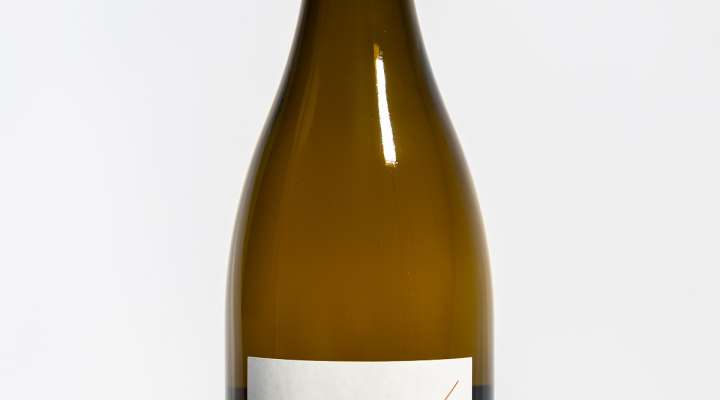
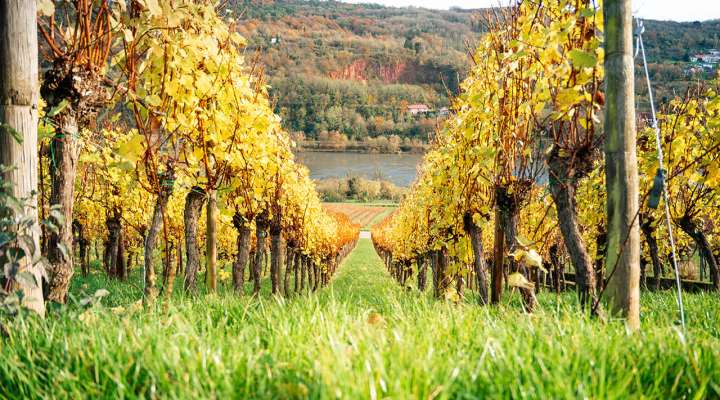
The Moselle wine route – take a delicious, sight-seeing stroll through the finest vineyards in the Moselle region. These vineyards nestling in the hillsides along the banks of the Moselle in the Sierck-les-Bains valley around Metz and further south towards Vic-sur-Seille, produce fresh, floral wines from three main grape varieties.


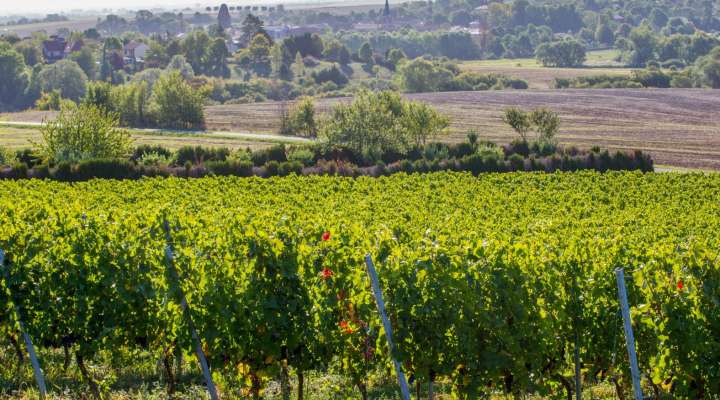



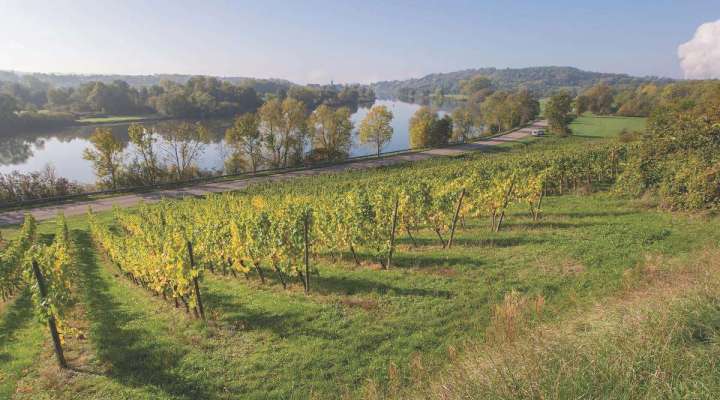
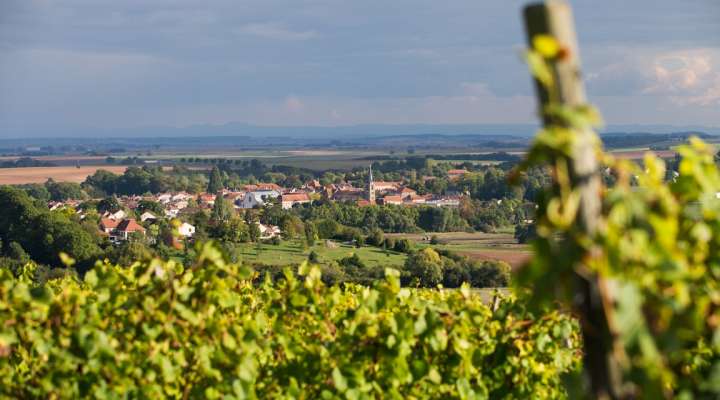

The Moselle Wine Route runs through several wine-growing areas, each with its own identity.
In the north, the Three Borders area stretches around Sierck-les-Bains, Contz-les-Bains, Haute-Kontz, and Malling, close to Luxembourg and Germany.
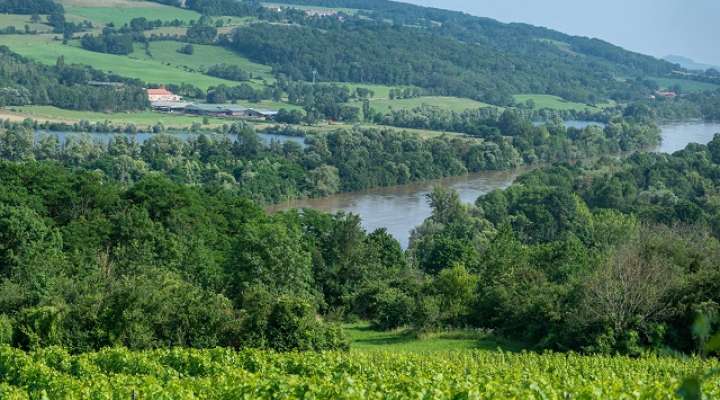
In the center, the Metz area includes many wine-growing villages on the hillsides overlooking the Moselle Valley.
In the south, the Saulnois region extends the route towards Vic-sur-Seille and Marsal, an area shaped by salt heritage and lake landscapes.
The Moselle vineyards grow several grape varieties well suited to the department’s cool climate and limestone soils.
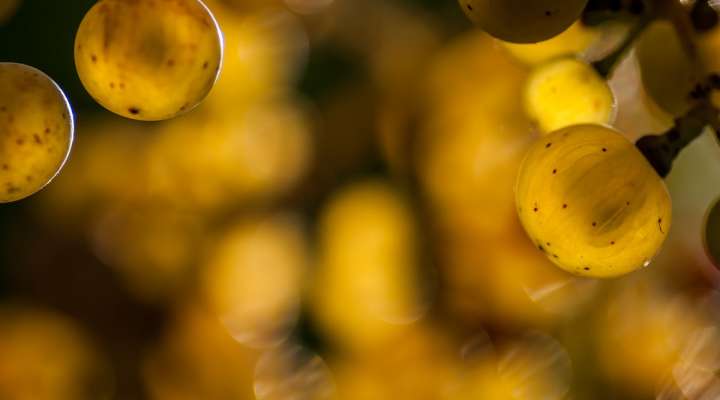
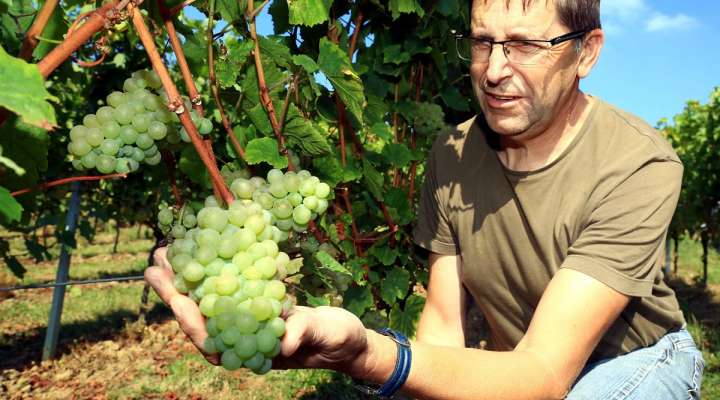
Auxerrois produces fresh, floral white wines that are highly representative of the appellation.
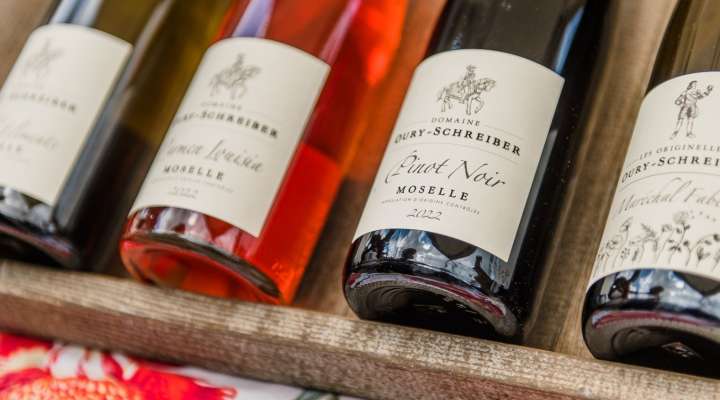
Pinot Gris offers fuller, aromatic wines, while Pinot Noir produces light, elegant red wines and fruity rosés.
Other grape varieties such as Müller-Thurgau, Gewurztraminer, Riesling, and Pinot Blanc can also be found in some plots.
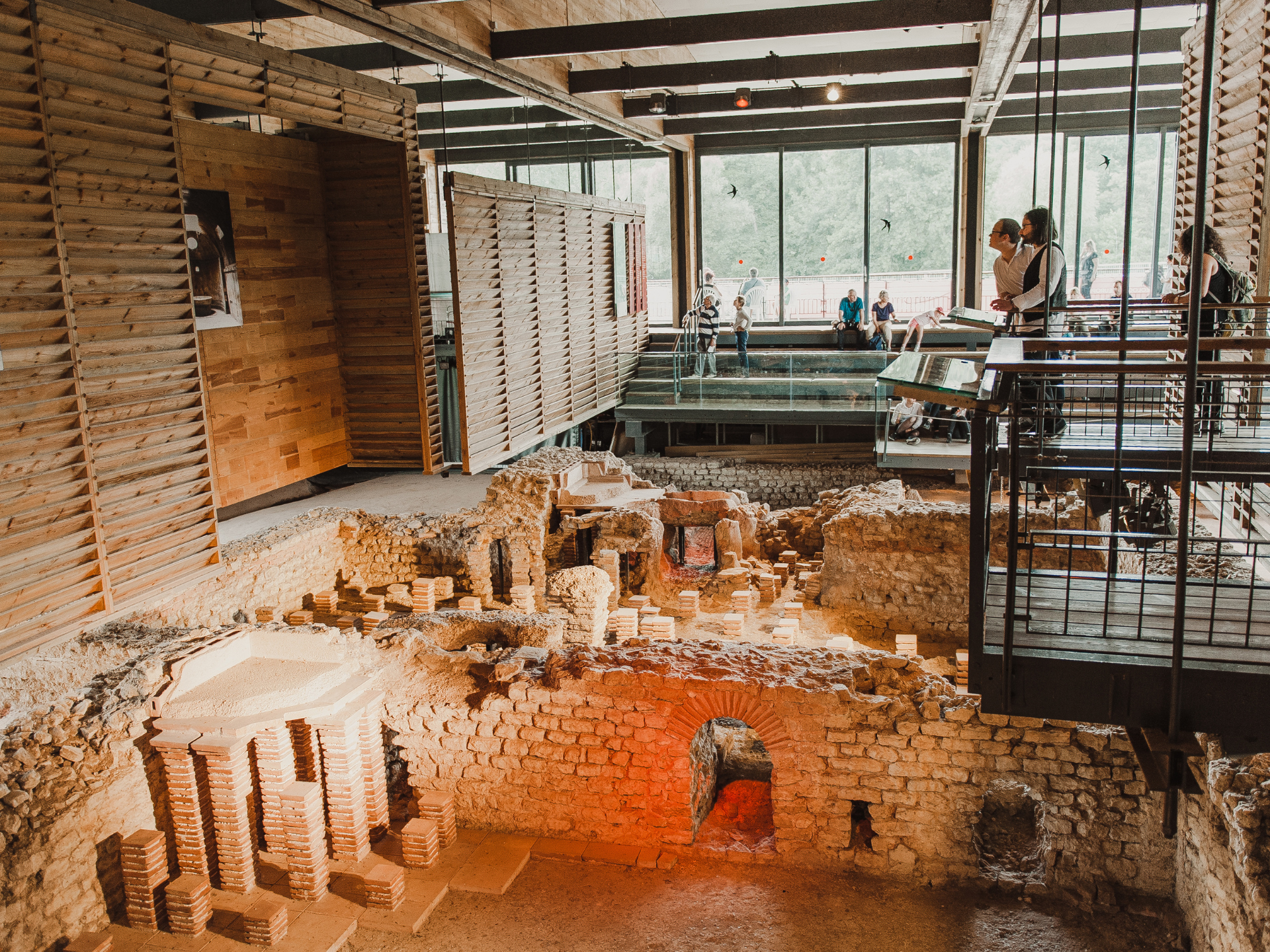
The Moselle vineyard dates back to the Gallo-Roman period and developed during the Middle Ages under the influence of abbeys and the bishops of Metz.
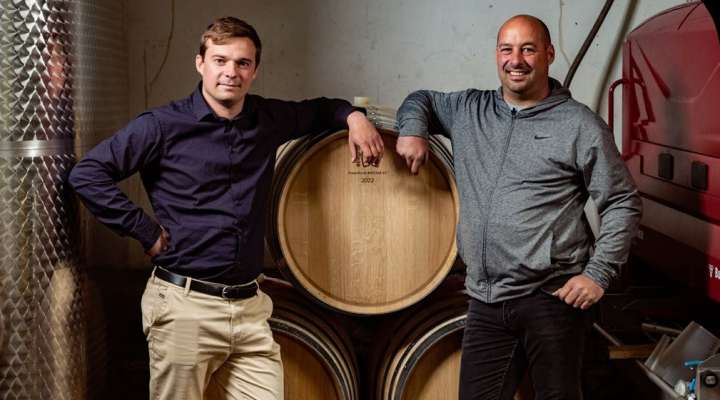
After a major decline at the end of the 19th century due to phylloxera, conflicts, and historical upheavals, the vineyard was gradually rebuilt by a new generation of passionate winegrowers.
The Moselle appellation was officially recognized as an AOC in 2010, marking the revival of the vineyard.
The Moselle Wine Route can be explored in several ways.
By car, the signposted itinerary connects wine-growing villages over a full day or weekend.
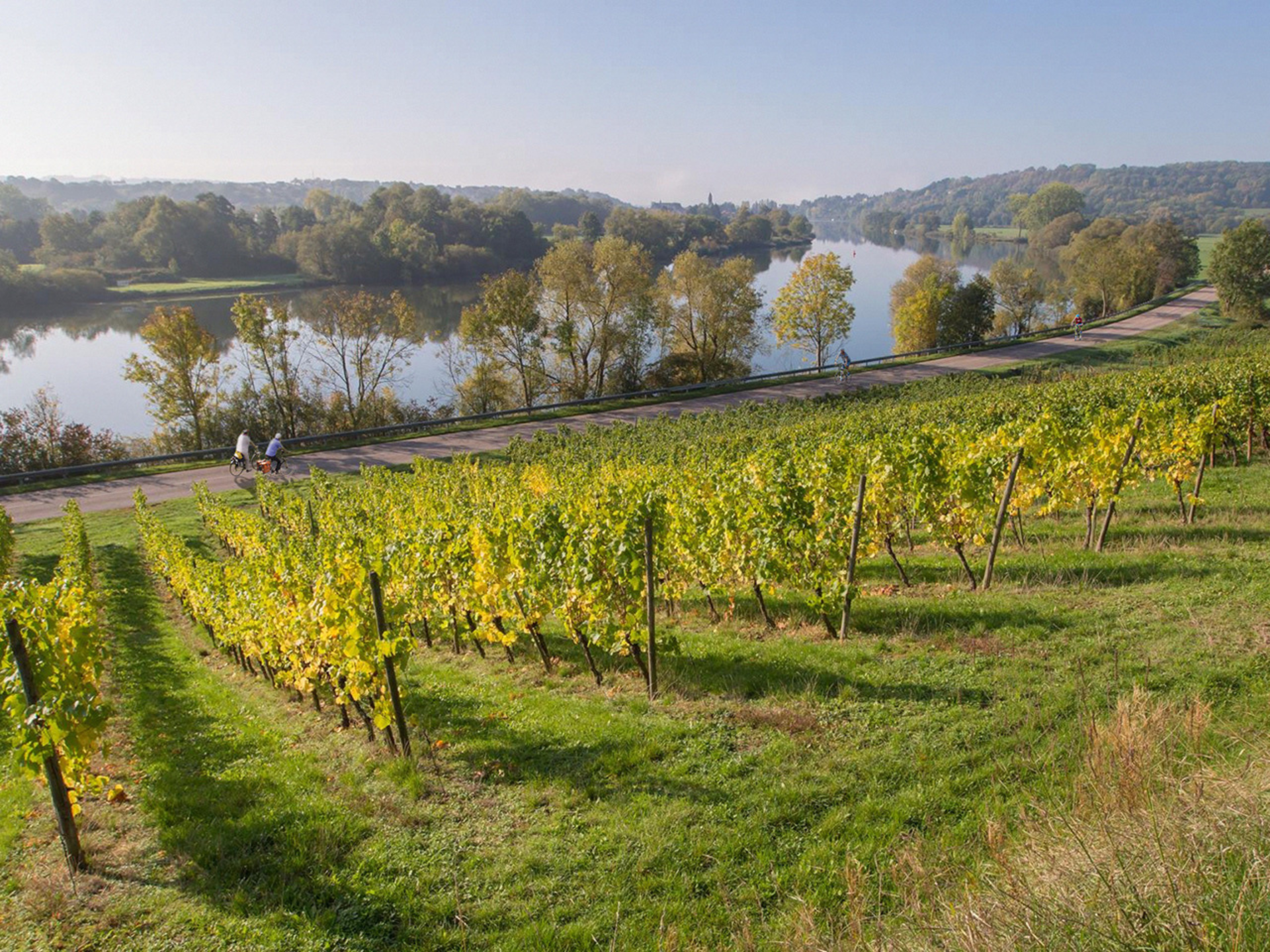
By bike, cycle routes and greenways follow the Moselle River and serve the main wine villages.
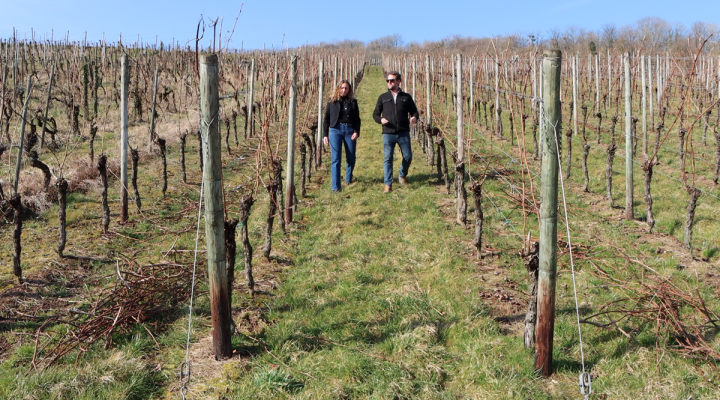
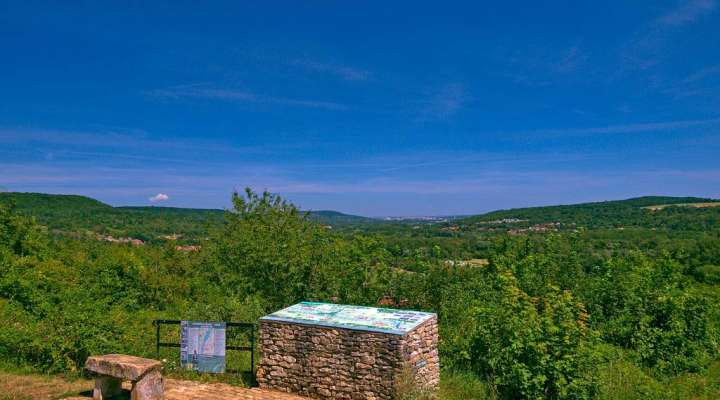
On foot, several themed trails cross the vineyards with information panels and scenic viewpoints.
River cruises departing from Metz or Thionville also offer a unique view of the vineyards from the Moselle itself.
Spring and autumn are the best seasons to explore the Moselle Wine Route.
In spring, the vines begin to bud and the hillsides turn green again.
In autumn, the harvest season and colorful foliage create a particularly beautiful setting.
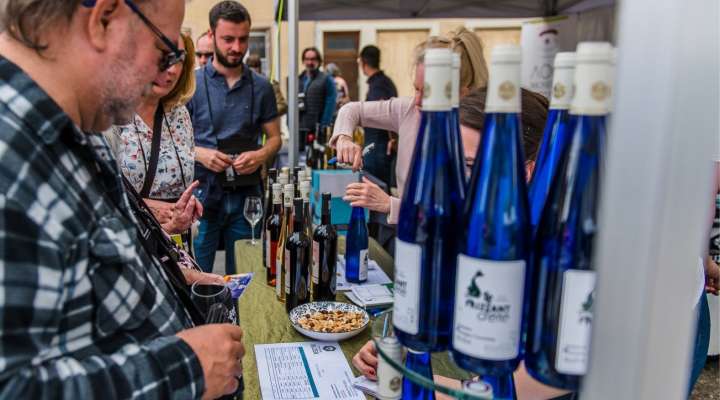
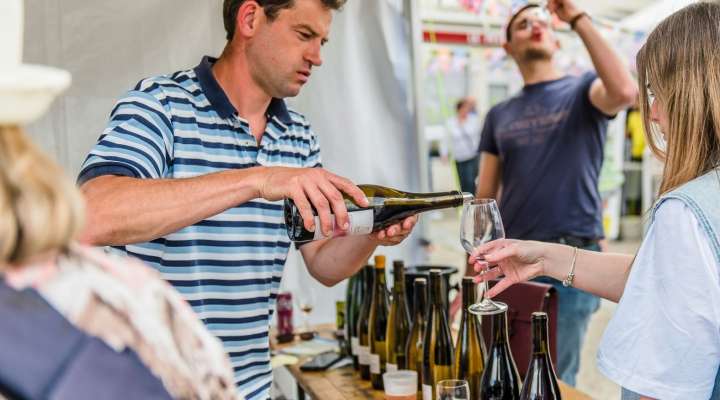
Summer is ideal for vineyard picnics and river cruises, while winter is perfect for warm indoor tastings, especially during Christmas markets.
The Moselle Wine Route combines wine tastings, heritage, and landscapes.
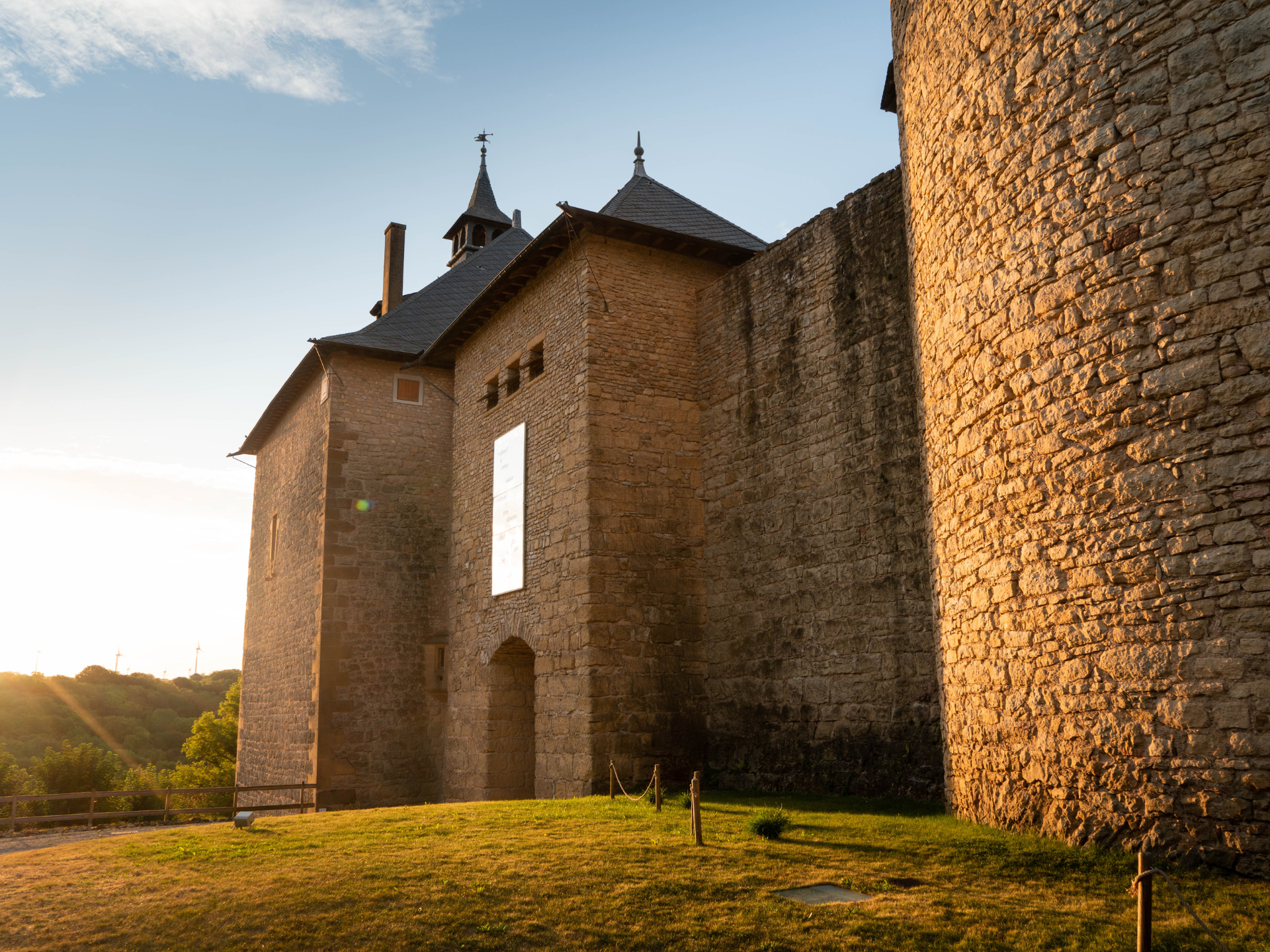
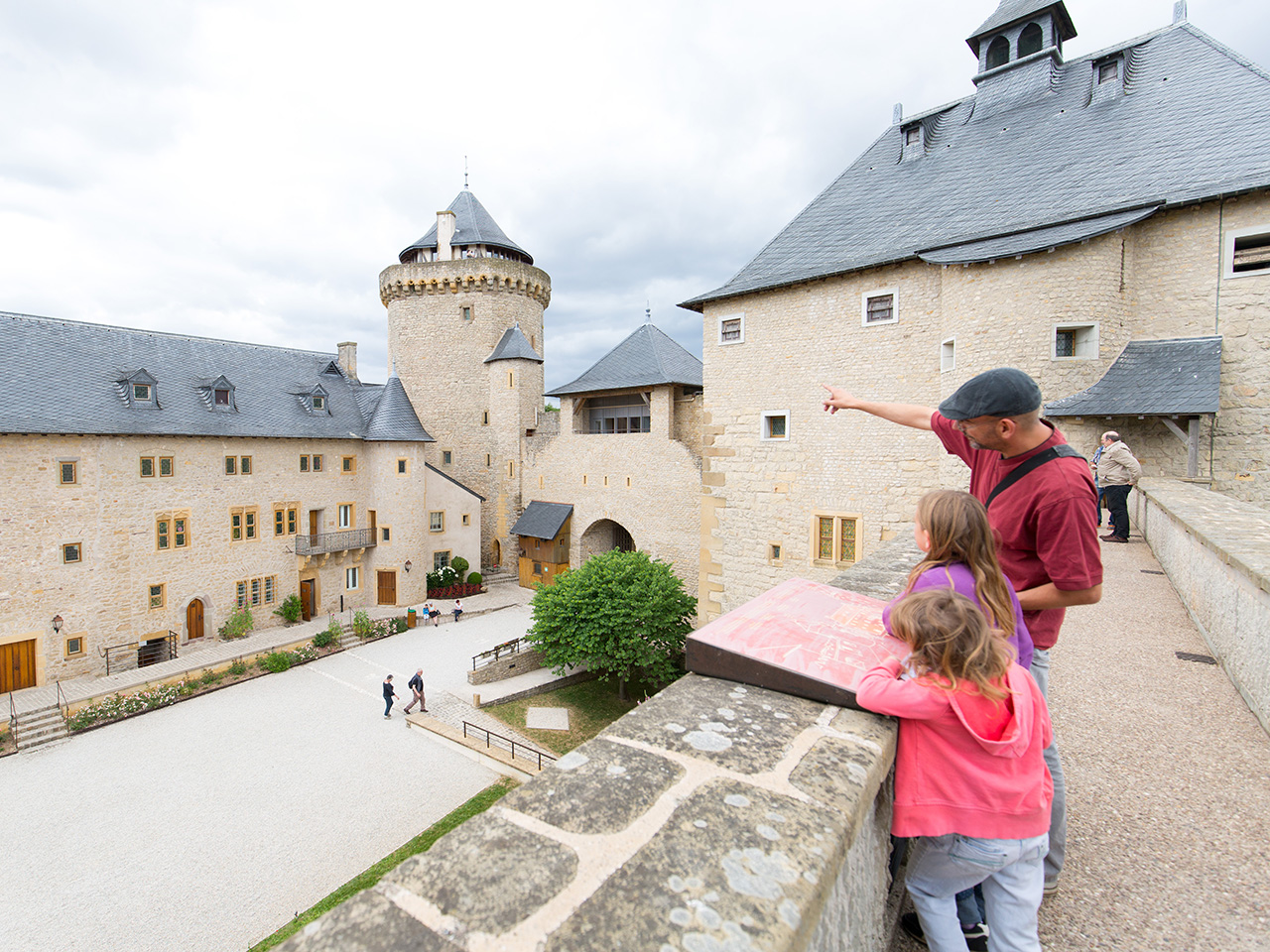
In the north, Sierck-les-Bains Castle, Malbrouck Castle in Manderen, and the fortified villages of the Three Borders area offer a remarkable medieval itinerary.
In the Metz area, Metz Cathedral, panoramic hillsides, the Roman aqueduct of Gorze, and the 1870 War Museum in Gravelotte enrich the visit.
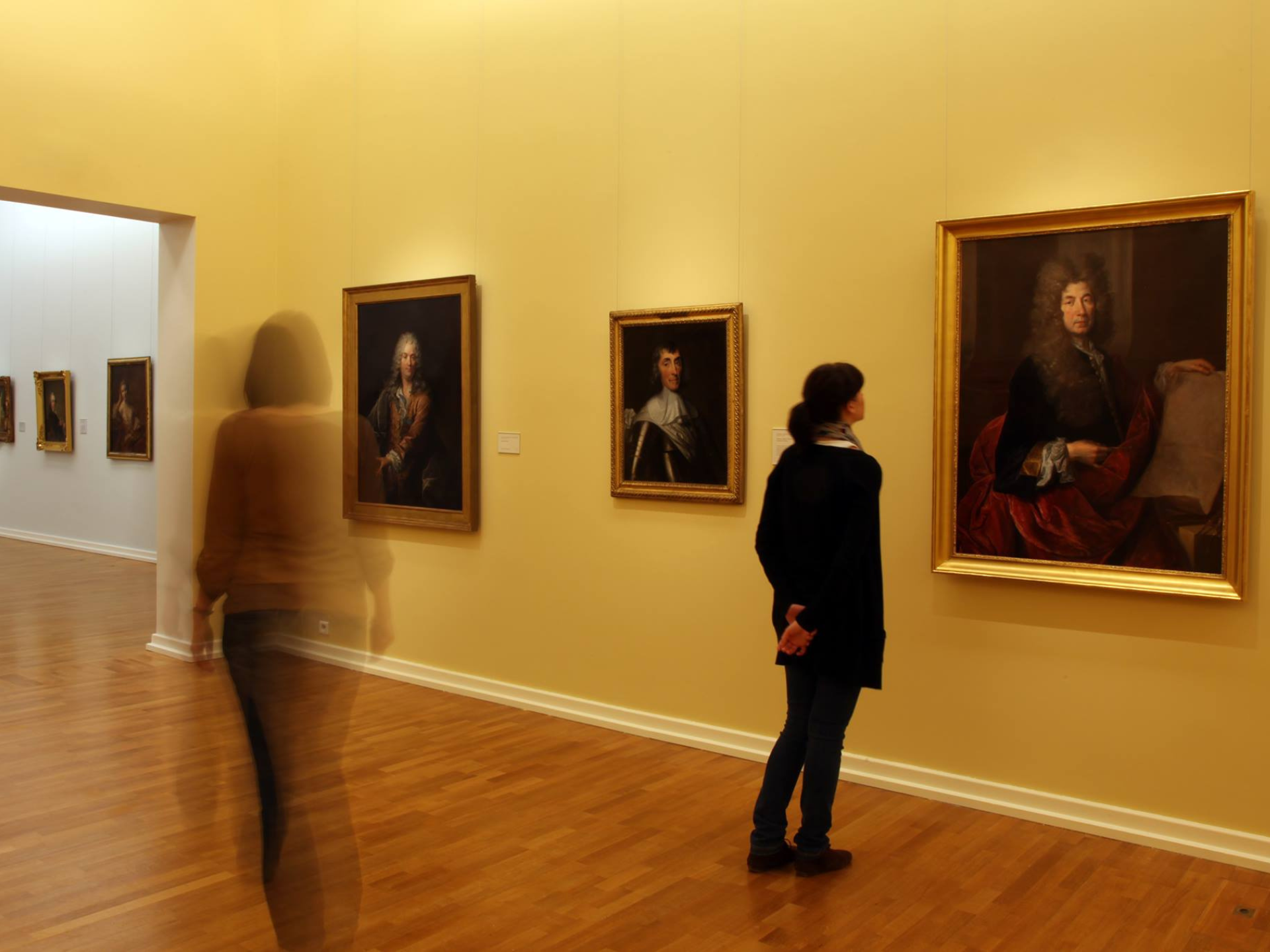
In the south, the Saulnois region reveals its salt heritage in Marsal and Vic-sur-Seille, along with the Georges de La Tour Departmental Museum.