Pope Leo XIV in Metz: discover Moselle, a land of peace at the heart of Europe
In the footsteps of peace in Europe: Moselle welcomes Pope Leo XIV
A borderland shaped by reconciliation, Moselle embodies a unique chapter of European history.
As Pope Leo XIV visits Metz on 28 September 2026, discover a region marked by remembrance, peace and dialogue between peoples.
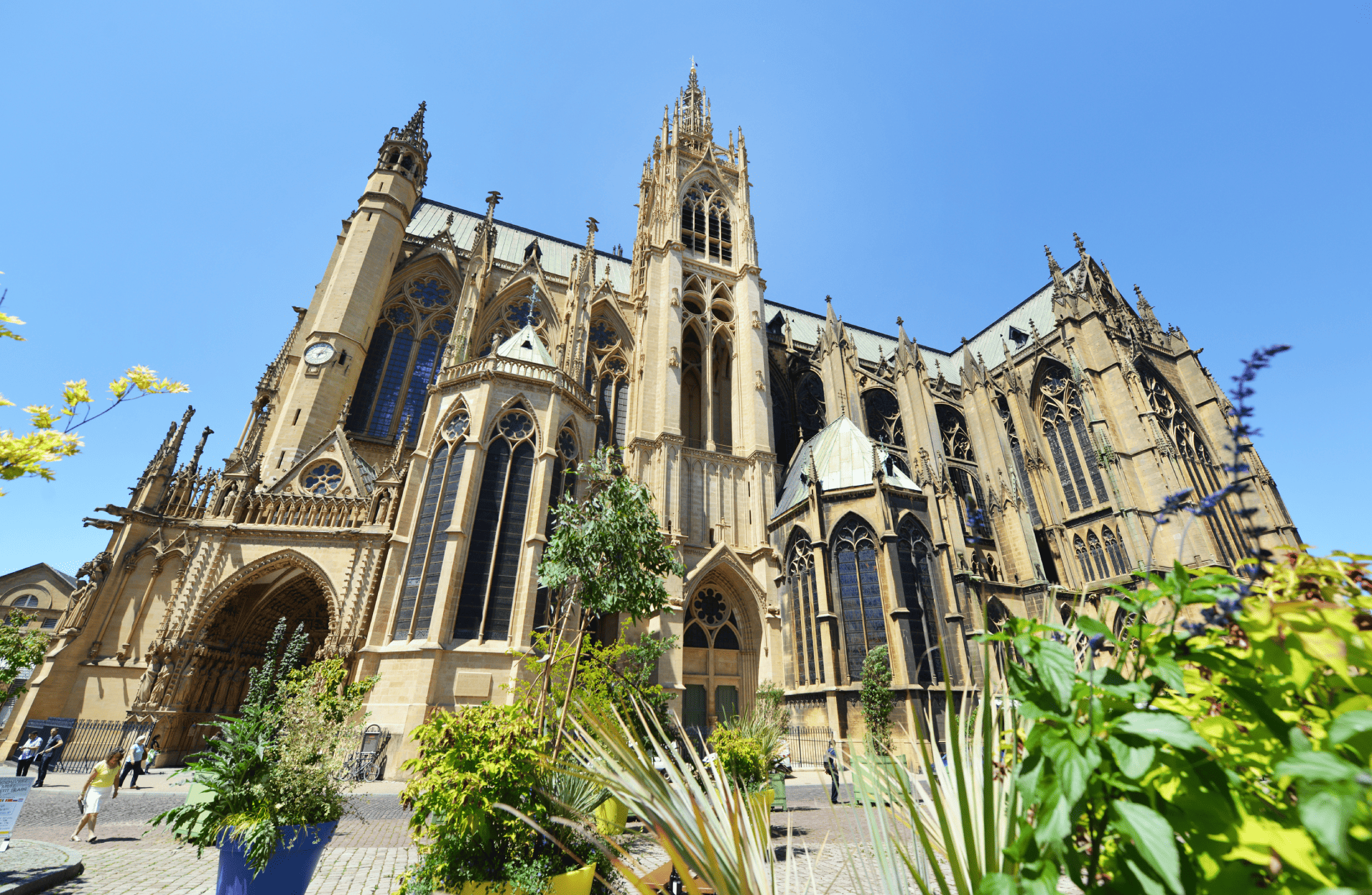
Pope Leo XIV’s visit to Metz
Pope Leo XIV is expected to visit Metz on Monday, 28 September 2026, as part of his apostolic journey to France.
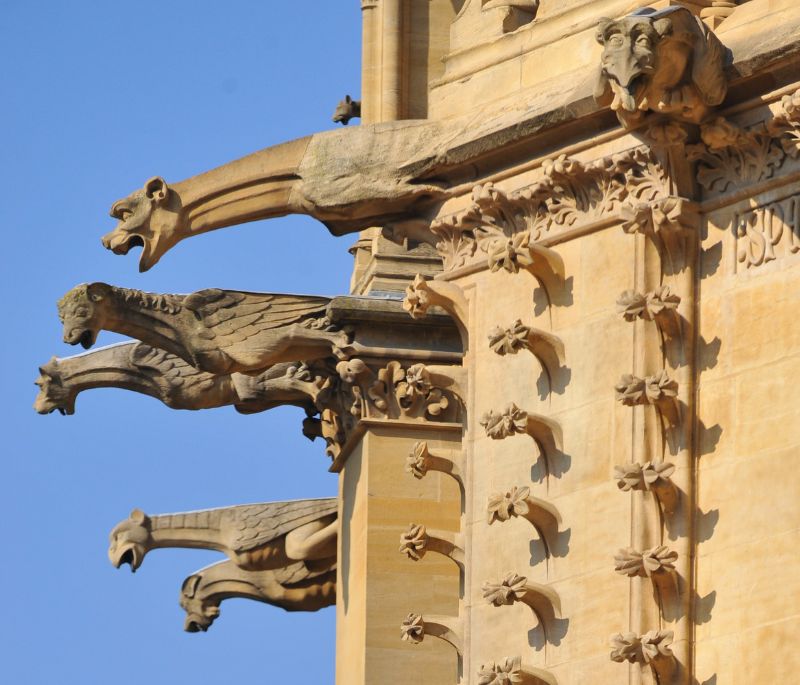
This visit to Metz will be marked by a Mass at Saint Stephen’s Cathedral, scheduled for the beginning of the afternoon.
Practical information:
- 10:00 a.m.: Religious gathering at the Metz Congrès Robert Schuman Convention Centre
- 11:00 a.m.: Gathering at the Roots of Europe for Peace and Unity, also at the Metz Congrès Convention Centre
- 2:30 p.m.: Popemobile procession through the streets of Metz
- 4:00 p.m.: Mass at Saint-Étienne Cathedral
- 6:30 p.m.: Farewell ceremony and end of the visit
Robert Schuman, a figure of peace at the heart of Moselle
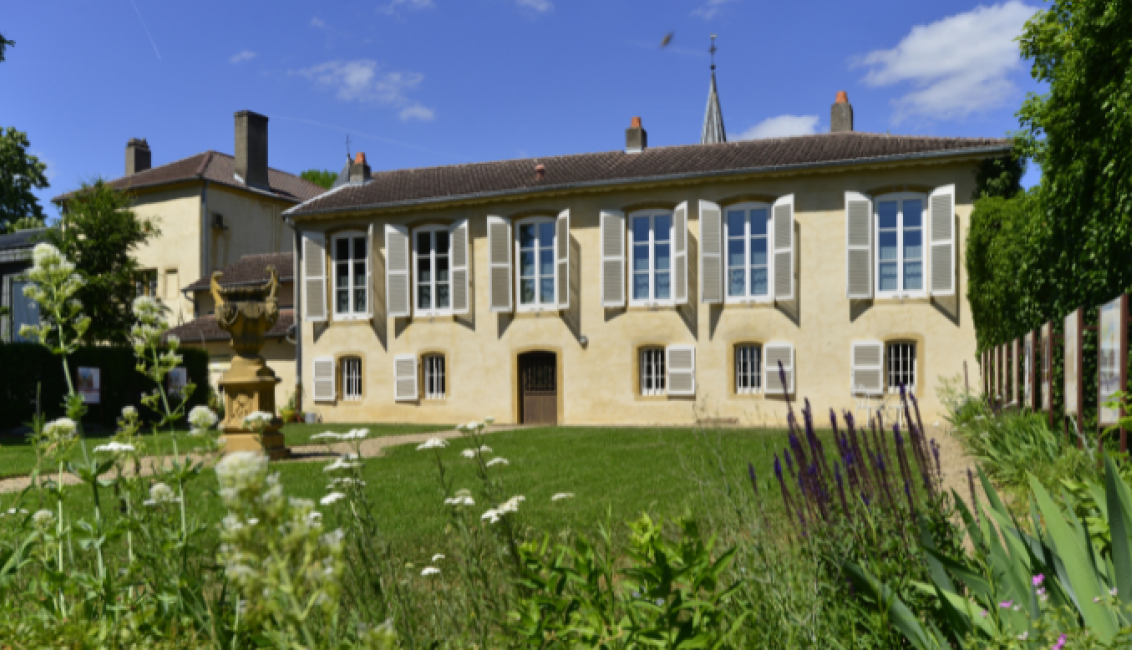
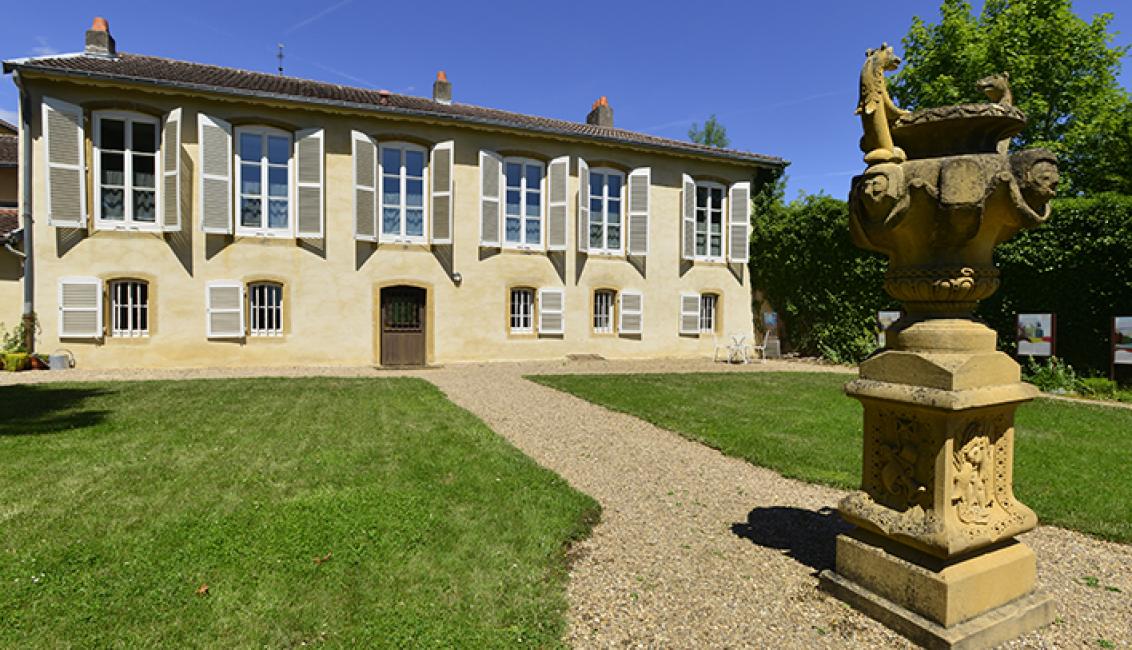
Marked by conflicts and divisions throughout its history, Moselle is also a land of reconciliation. Through the figure of the Venerable Robert Schuman, a deeply Christian statesman committed to the European ideal and to dialogue between France and Germany, it reminds us that yesterday’s enemies can become today’s brothers.
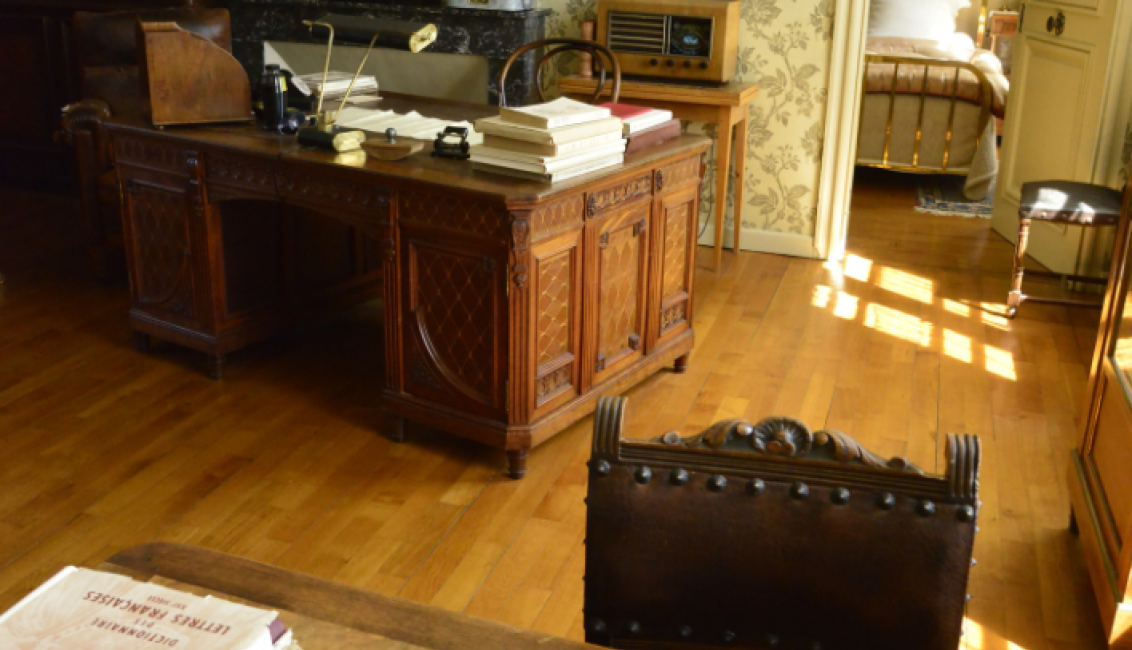
In Scy-Chazelles, his house preserves the memory of this discreet man whose political vision was guided by a commitment to peace, responsibility and reconciliation. His legacy resonates strongly with the Holy Father’s call for a “peace that is unarmed and disarming” in a divided world.
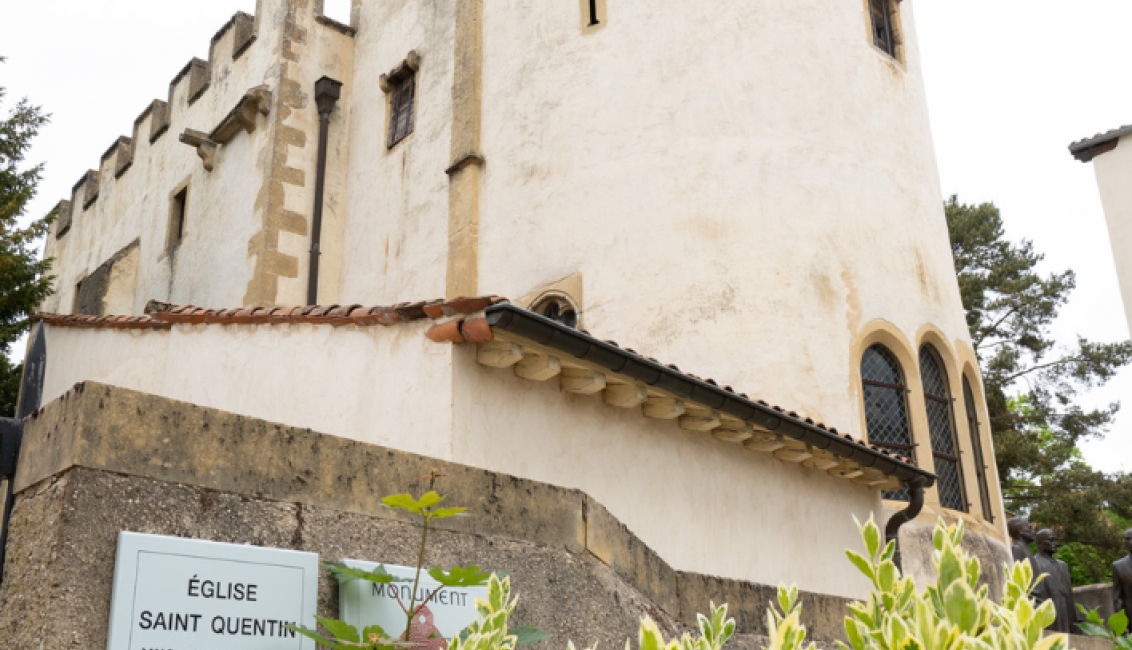

In the footsteps of European history in Moselle
From Metz to Scy-Chazelles, from Gravelotte to Veckring, Moselle invites visitors to explore European history on a human scale. Each site tells part of this journey: conflicts, shifting borders, the wounds of war, then the time of remembrance, dialogue and reconciliation.
Through these places, Moselle does more than present its past. It helps us understand how peace was built, step by step, at the heart of a region long marked by divisions.
Metz and its Imperial District
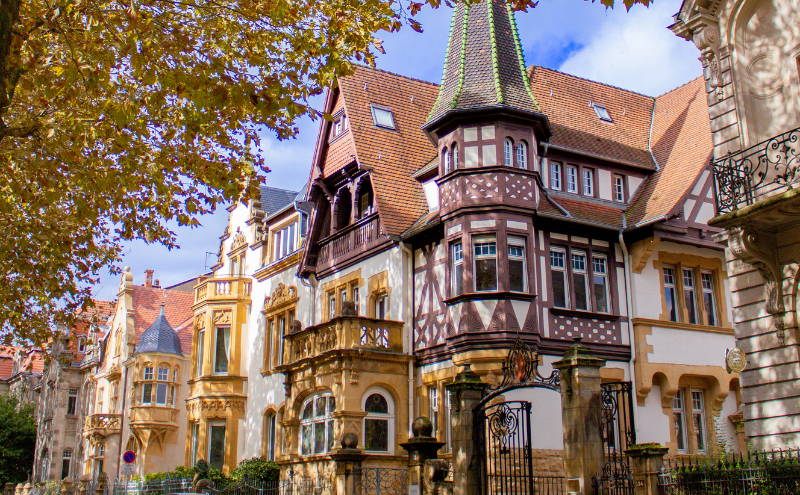
The Imperial District of Metz reflects the period of German annexation and the city’s Franco-German history.
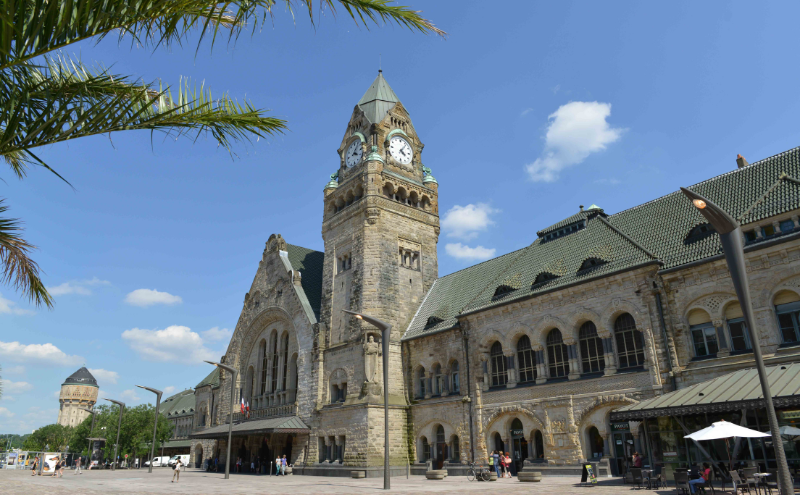
Around the railway station, inaugurated in 1908, the monumental architecture tells the story of a time when Metz became an urban and strategic showcase. Today, this district is one of the city’s most remarkable heritage ensembles.
Key figures:
- 170,000 soldiers surrounded during the Siege of Metz
- 1908: inauguration of the Imperial railway station
- One of the most beautiful railway stations in France
The Museum of the War of 1870 and the Annexation
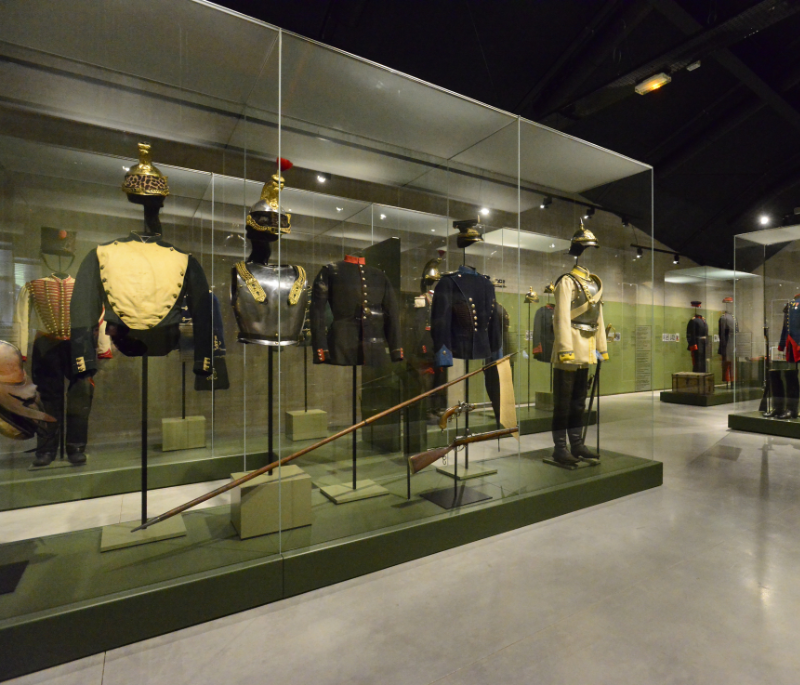
Located on the Gravelotte battlefield, this museum is a European reference for understanding the War of 1870 and its consequences.
It traces the battles, political upheavals and human consequences of a conflict that profoundly transformed Europe.
Key figures:
- 18 August 1870: Battle of Gravelotte
- Europe’s largest museum dedicated to this period
- Thousands of objects and documents preserved
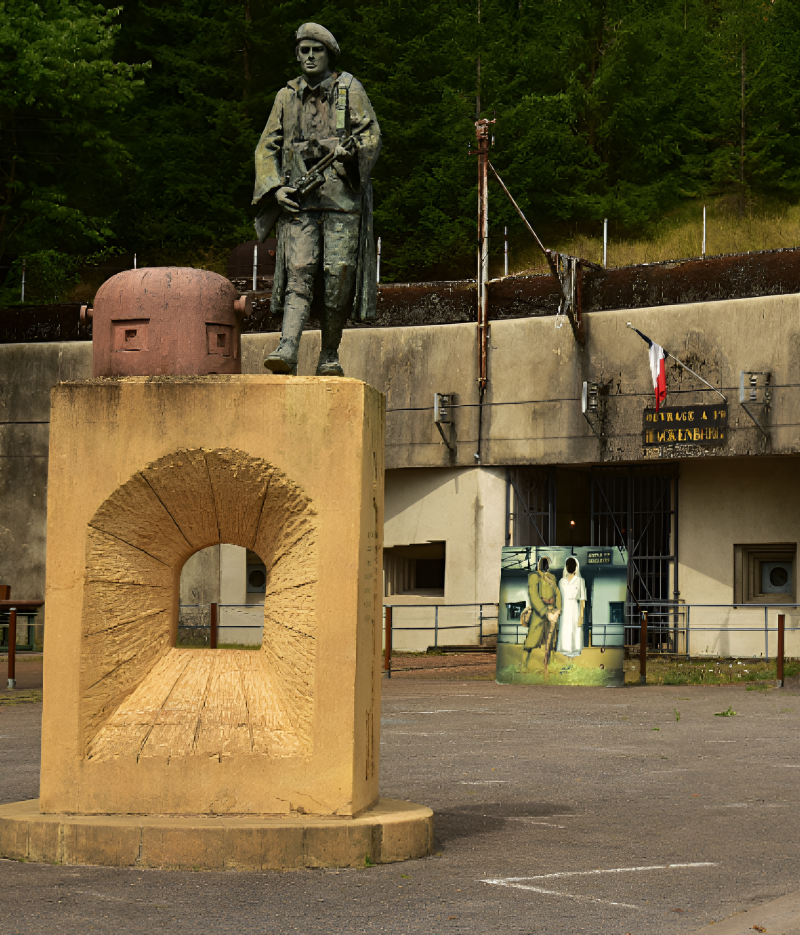
Hackenberg, a giant of the Maginot Line
In Veckring, Hackenberg is one of the major fortifications of the Maginot Line.
Its underground galleries, electric train and living quarters help visitors imagine the daily life of soldiers on the eve of the Second World War. An impressive visit at the crossroads of military history and remembrance.
Key figures:
- Nearly 10 km of galleries
- 19 combat blocks
- More than 1,000 men could live there
- An electric train still in operation
The Water Defence System of the Maginot Line
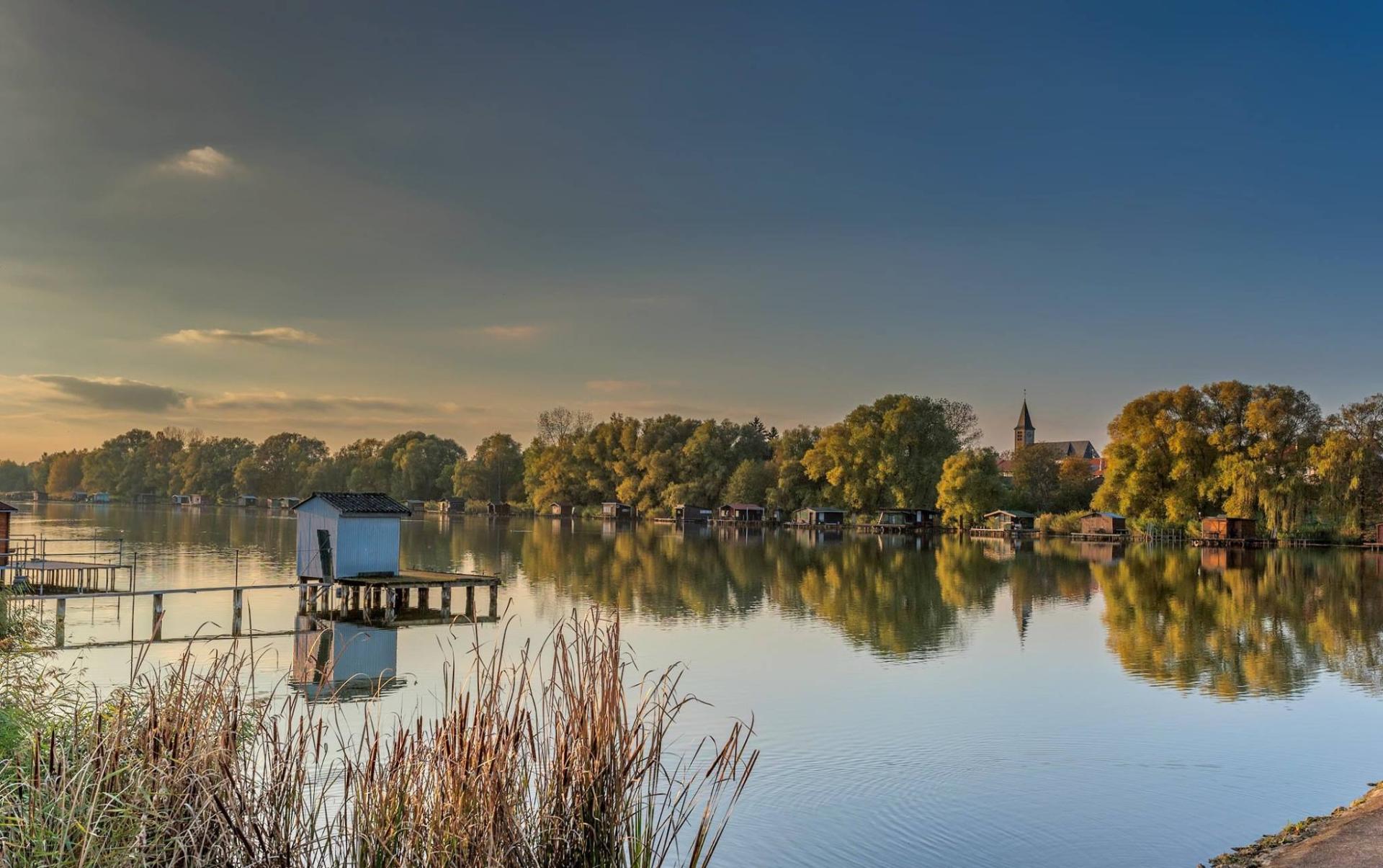
Less well known than the major fortifications, the Maginot Line’s water defence system is a unique part of Moselle’s heritage.
Using an ingenious network of dams, ponds and canals, certain areas could be deliberately flooded to slow down an enemy advance. Today, these landscapes offer a fascinating blend of military history, nature and outdoor discovery.
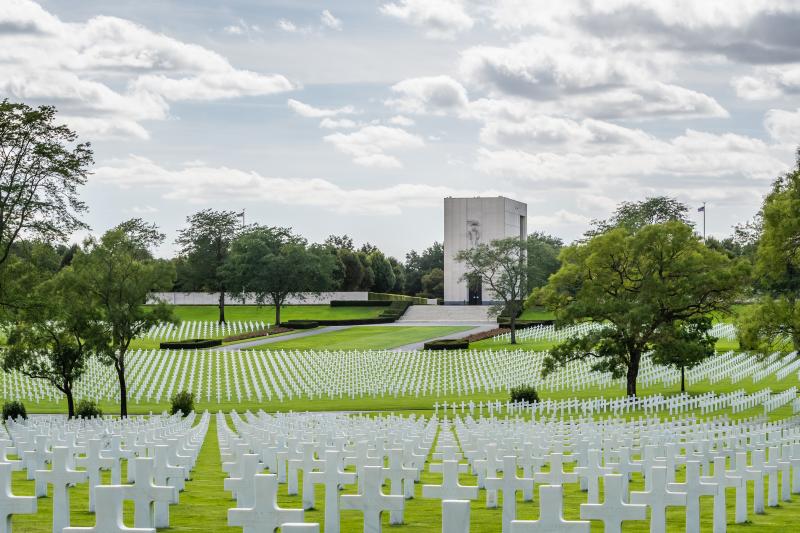
The Lorraine American Cemetery in Saint-Avold
In Saint-Avold, the Lorraine American Cemetery honours the American soldiers who fell during the liberation of Europe.
Set in a vast landscaped area, this place of remembrance recalls the price of freedom and the shared memory between peoples.
Key figures:
- 10,489 American soldiers are buried on the site
- The largest American military cemetery in Europe
Plan your visit to Metz and Moselle
Pope Leo XIV’s visit to Metz is also an opportunity to discover the city and the many attractions of Moselle.
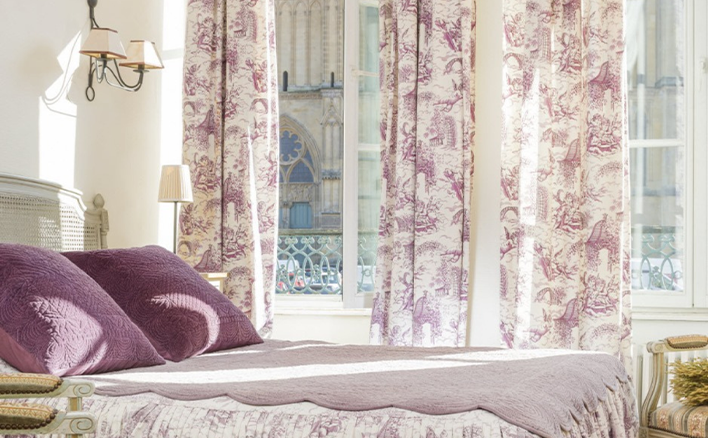
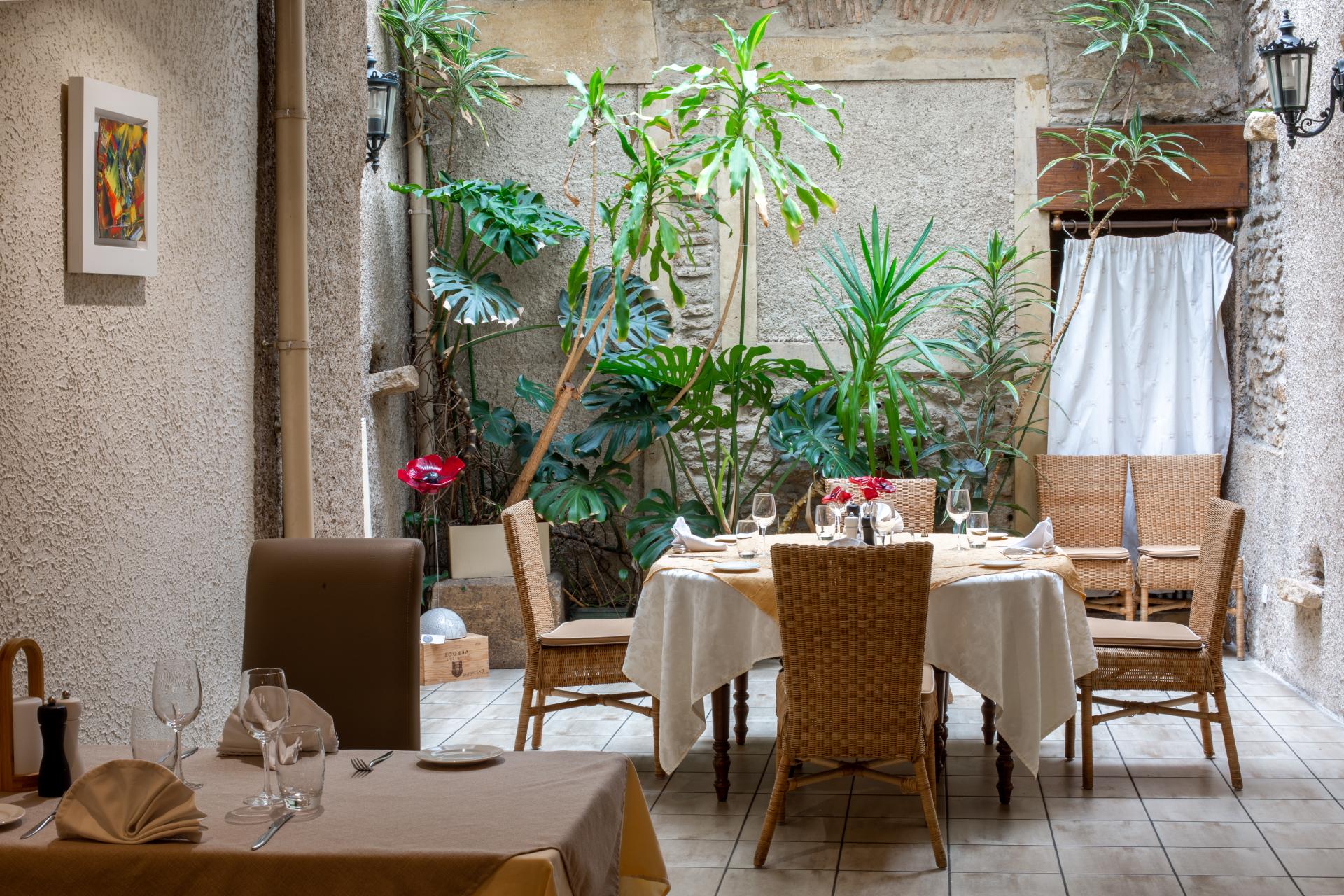
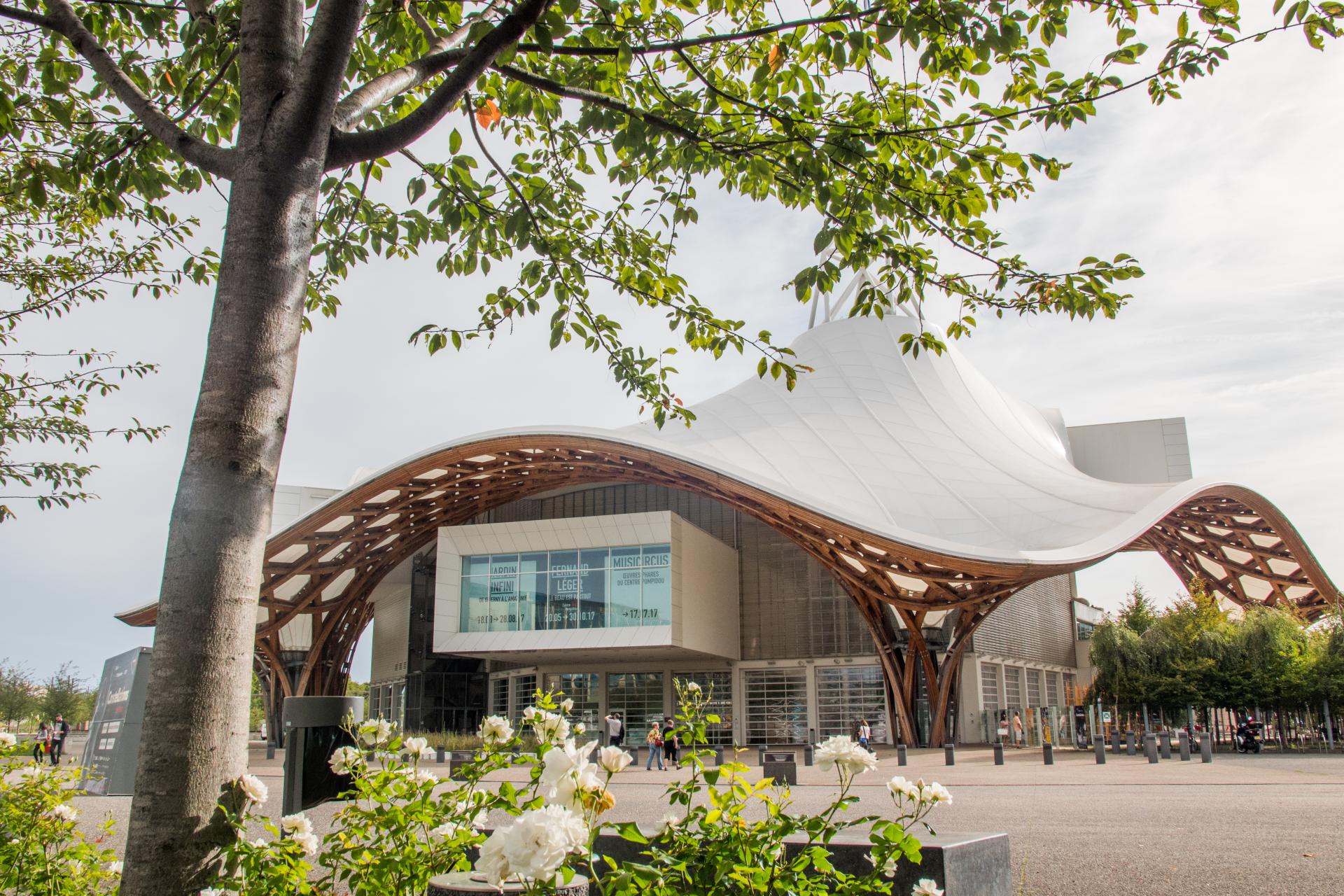
To extend your stay, explore the accommodation, restaurants, activities and visitor sites in Metz and the surrounding area. Whether you are coming for a few hours, a day or a whole weekend, Moselle offers plenty of ideas for a getaway combining heritage, culture and art de vivre.
Travel idea: 2 days in the footsteps of peace in Moselle
What if your visit to Metz became the starting point for a journey through remembrance, heritage and European history?
Day 1 – Metz and the roots of Europe
Saint Stephen’s Cathedral, the historic city centre, the Imperial District and the Robert Schuman House in Scy-Chazelles.
Day 2 – Remembrance and reconciliation in Moselle
The Museum of the War of 1870 and the Annexation, Hackenberg Fort, the Maginot Line and the Lorraine American Cemetery in Saint-Avold.




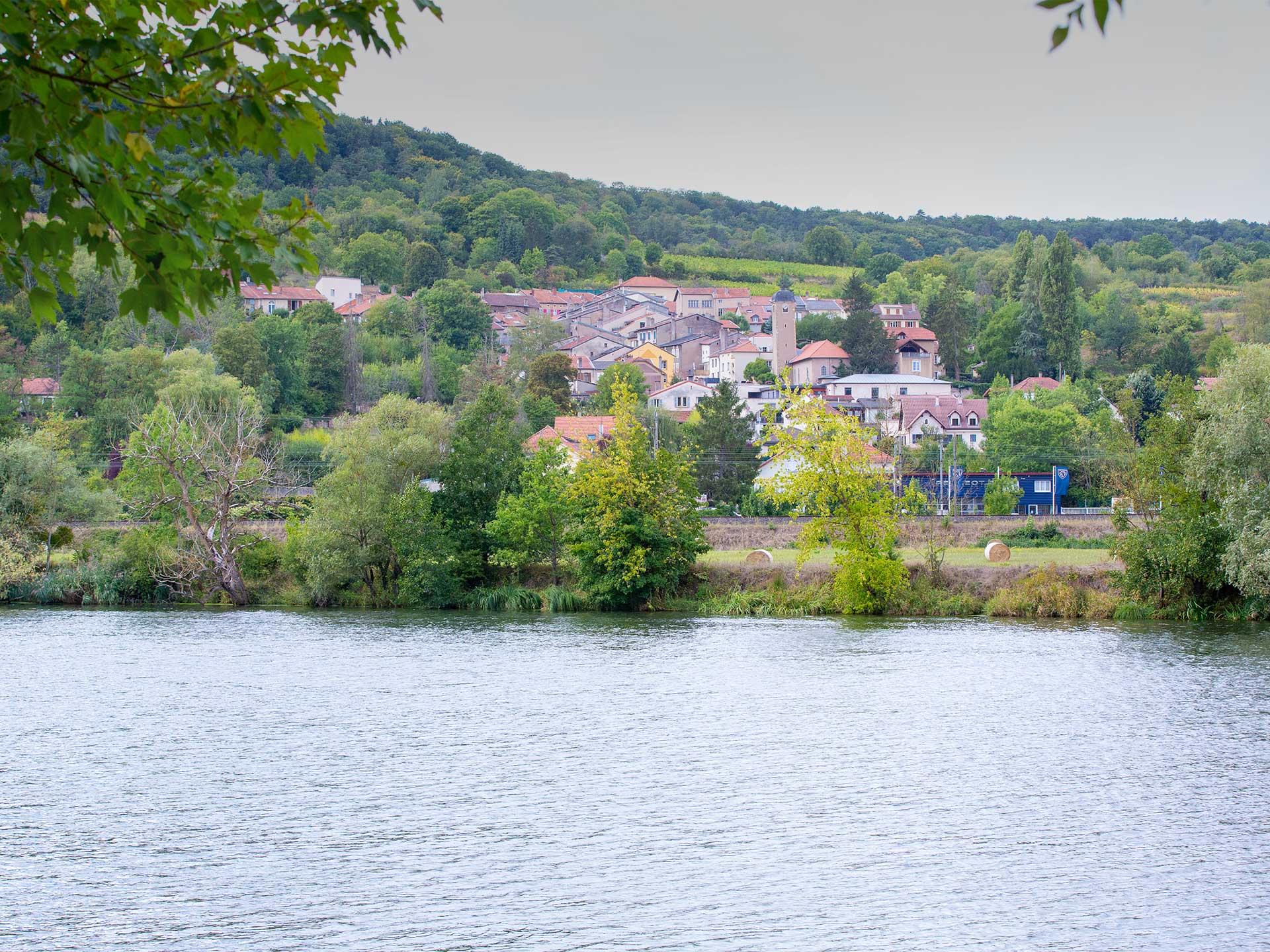
Moselle, an invitation to discover Europe differently
From Metz to Scy-Chazelles, from Gravelotte to Saint-Avold, Moselle tells a European story on a human scale.
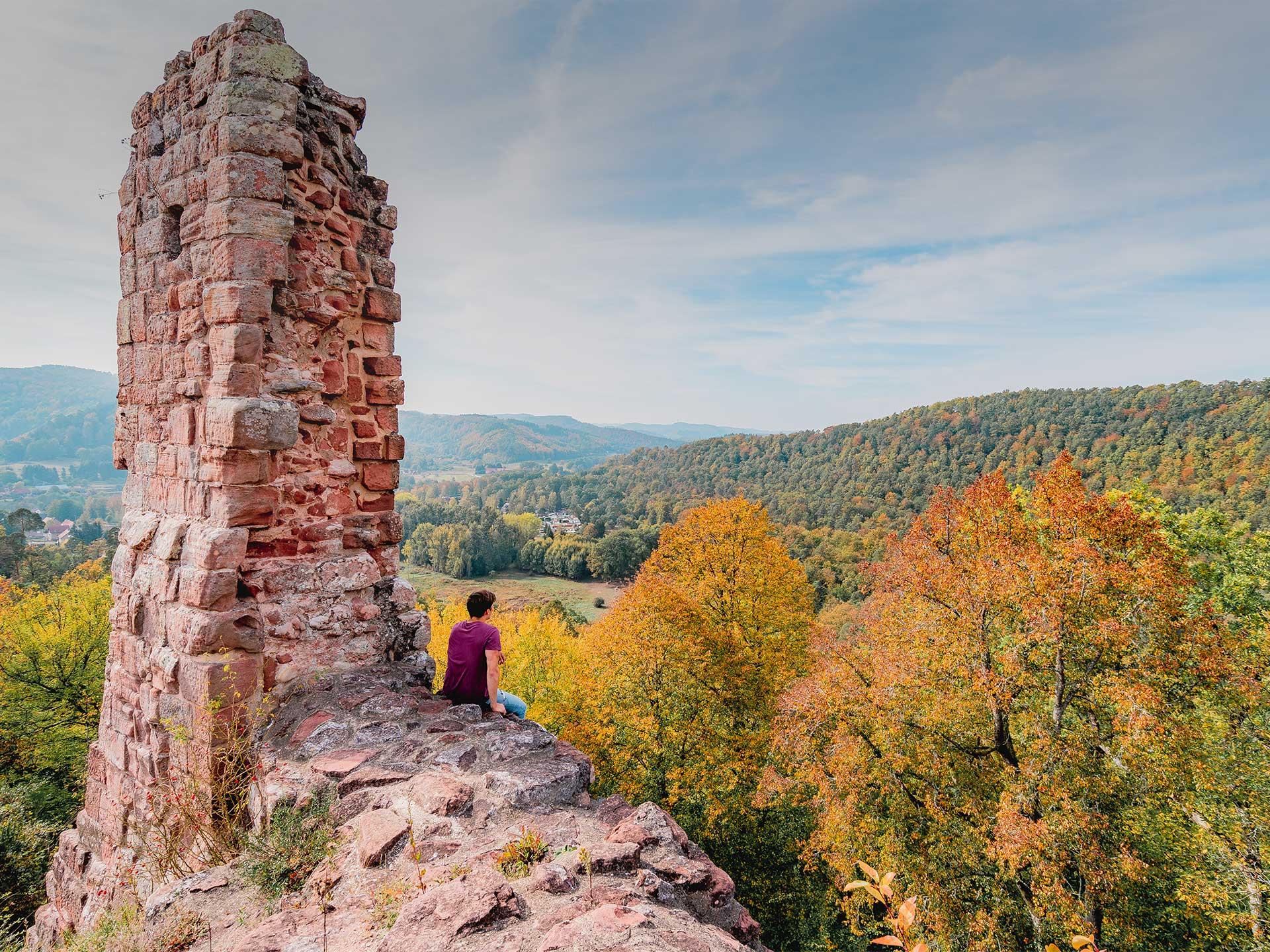
On the occasion of Pope Leo XIV’s visit, this border region invites visitors to see peace, remembrance and reconciliation from a different perspective. An experience to be lived through its monuments, landscapes, places of reflection and heritage sites.
In Moselle, the history of Europe is not only visited: it is felt.