The origin of Christmas ornaments: an invention from the Moselle region
Discover the origin of Christmas baubles: a Moselle tradition
Born in Moselle in 1858, glass Christmas baubles perpetuate a unique know-how. Every year, craftsmen reinvent this tradition with creations that combine heritage and modernity. Discover the history of Moselle Christmas baubles.
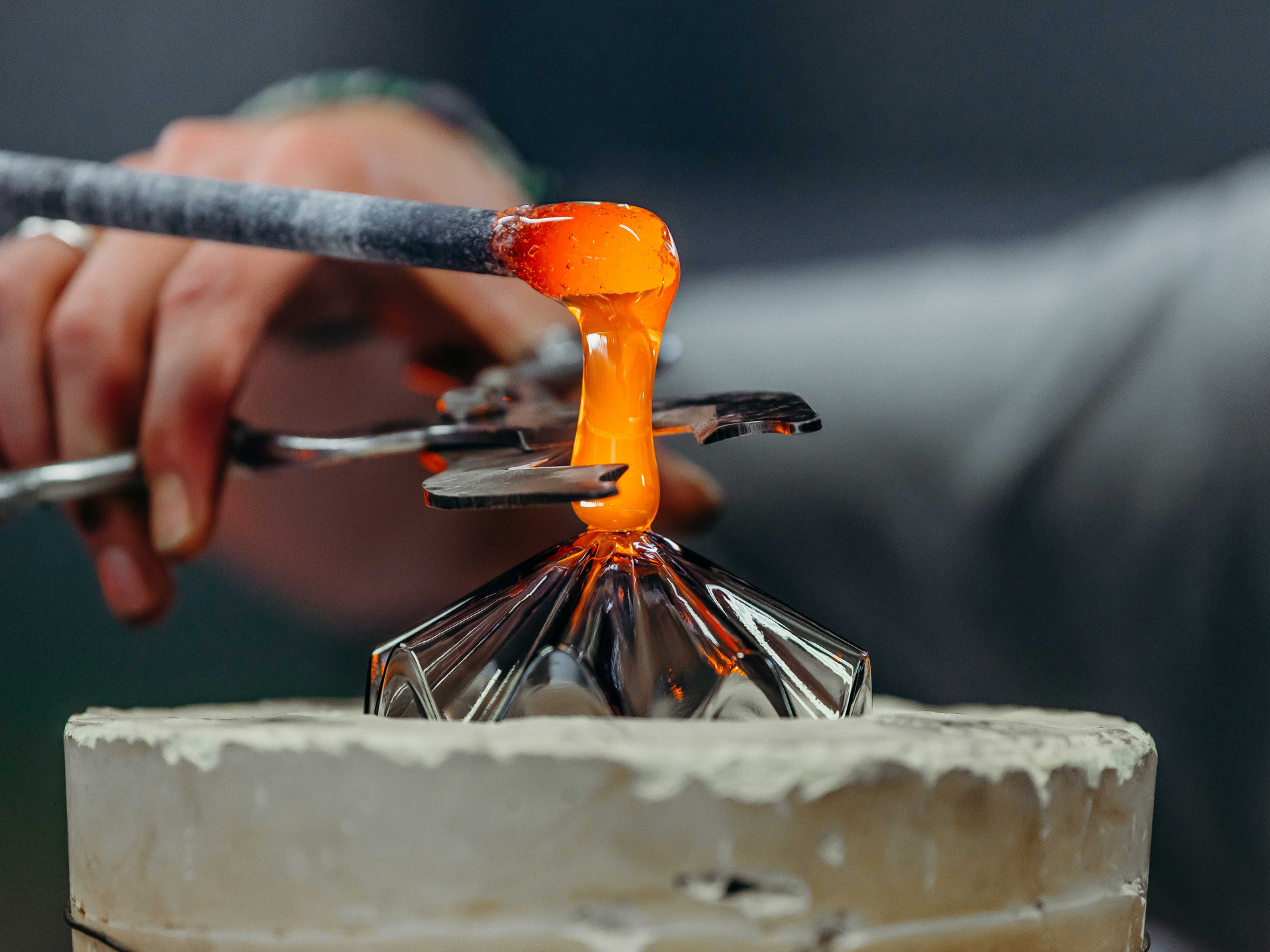
The 2025 Editions of Christmas Ornaments

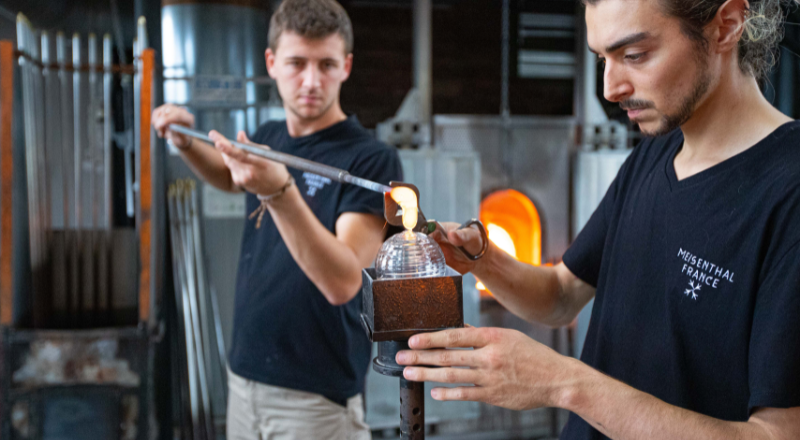
Meisenthal
Better safe than sorry!
The Halle Verrière of Meisenthal unveils GRIP, the 2025 Christmas ornament designed by Lucas Lorigeon: a clever and poetic creation, imagined to prevent those dreaded “shattered bauble” moments.
With its ergonomic, non-slip protrusions, GRIP ensures a perfect hold — and might just save a few family Christmases!
True to its tradition, Meisenthal entrusts an artist each year with designing its annual ornament: “Piaf” by Harmonie Begon & les mésanges (2021), “Extra” by Nicolas Verschaeve (2022), “Stella” by Jean-Simon Roch (2023), “Kaktus” by Mark Braun (2024)… and now, “Grip” by Lucas Lorigeon (2025) enriches this iconic collection.
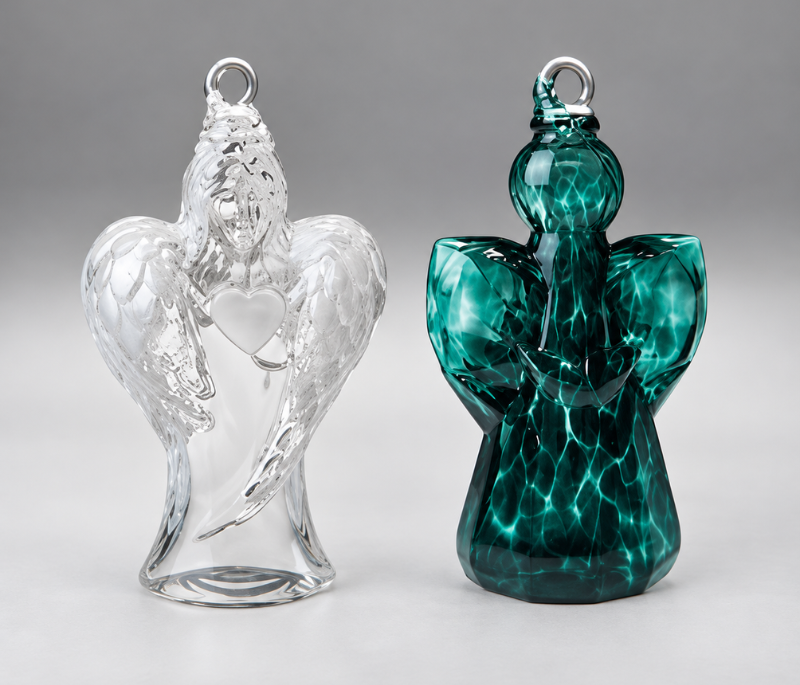
Lehrer
For its 2025 Christmas collection, the crystal workshop presents L’Étoile, a new ornament that joins the series started with “Le Bonhomme en pain d’épices” (2021), “La Cloche” (2022), “Le Père Noël” (2023), and “Le Sapin” (2024).
Handcrafted in the workshops, each star is born from the expertise of master glassmakers. Molten glass, carefully blown and shaped, brings to life a luminous piece that captures and reflects light in a unique way.
Available in several colors, L’Étoile is designed to fit naturally into any Christmas tree décor. Its clean, sparkling design makes it both a collectible item and a symbol of the holiday season.
Practical Information
Lehrer Christmas Bauble
📍 QMOSL Chalet, Place de la République in Metz.
🗓️ Sales period: According to the official opening dates of the Qualité MOSL chalet.
More information (opening days and times):
chalet.mosl.fr
Meisenthal Christmas Bauble
📍 Small Chalet, next to the main Qualité MOSL chalet, Place de la République in Metz.
🗓️ Sales days:
- Saturday, 22 November 2025
- Saturday, 29 November 2025
- Saturday, 6 December 2025
🎄 Sales conditions: Maximum 3 baubles per person, including only one red bauble, while stocks last.
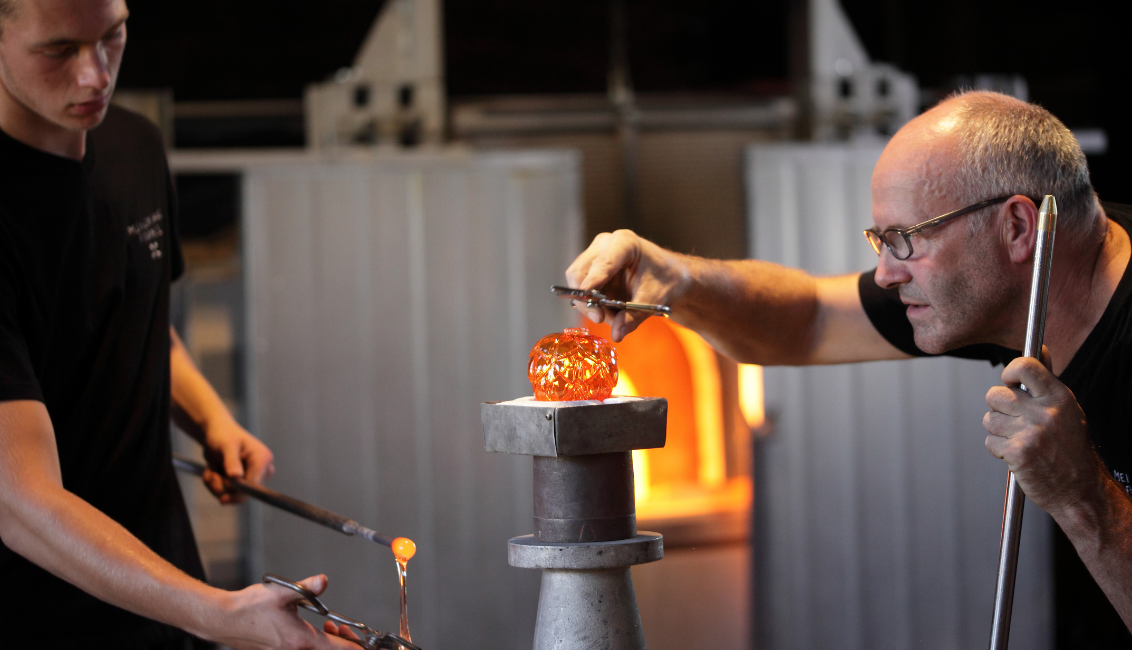


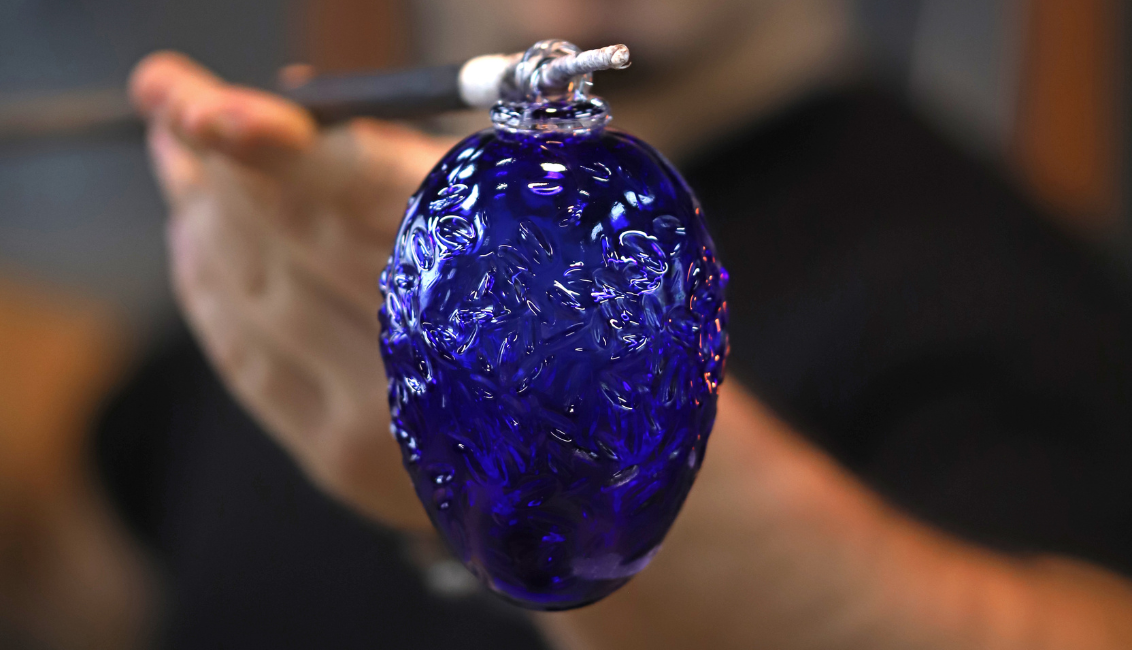
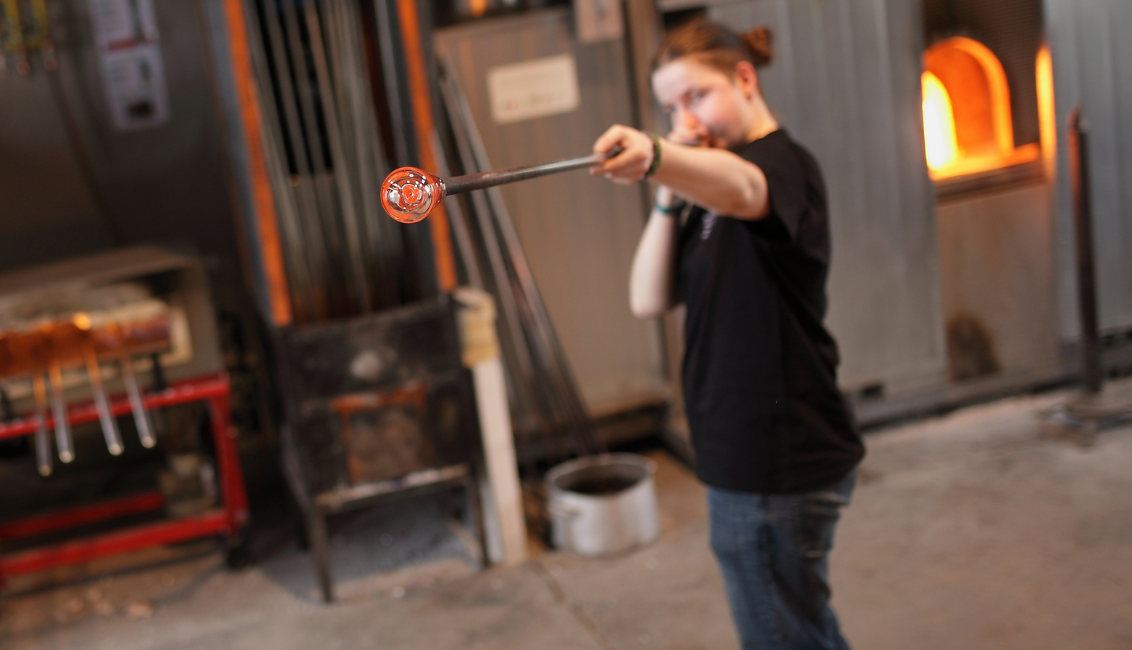
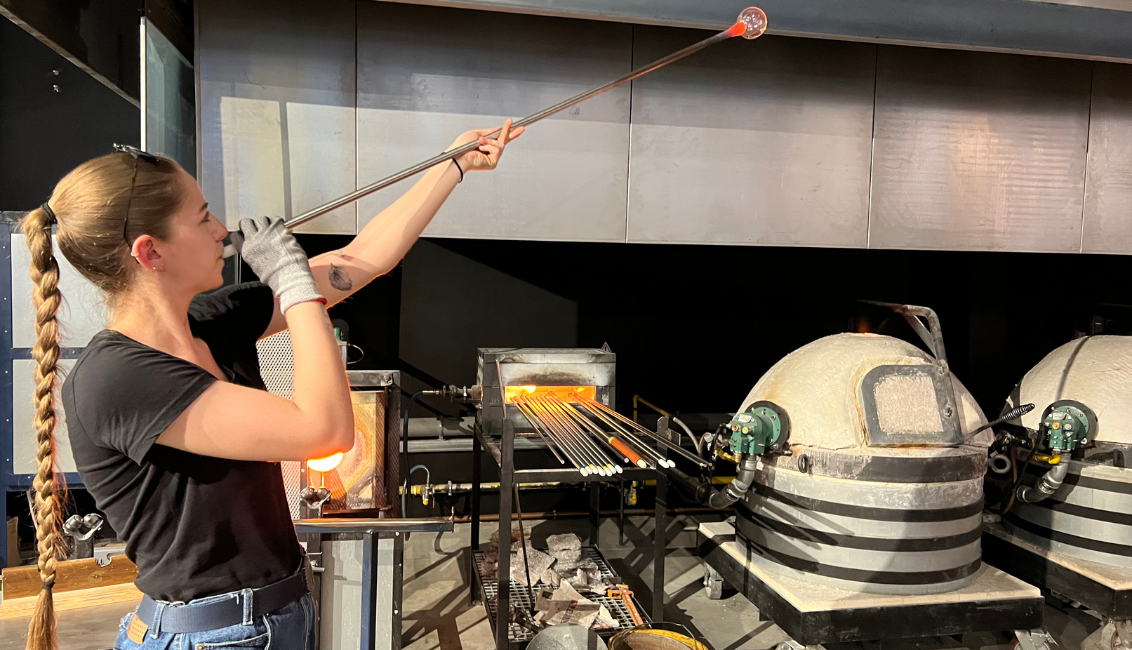
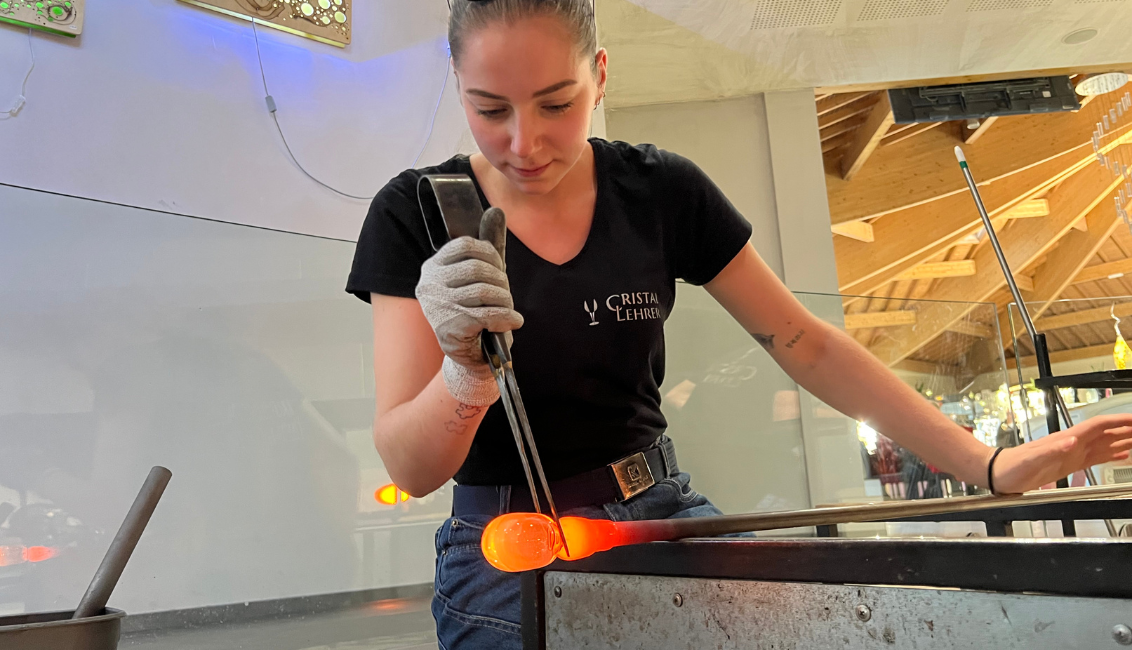
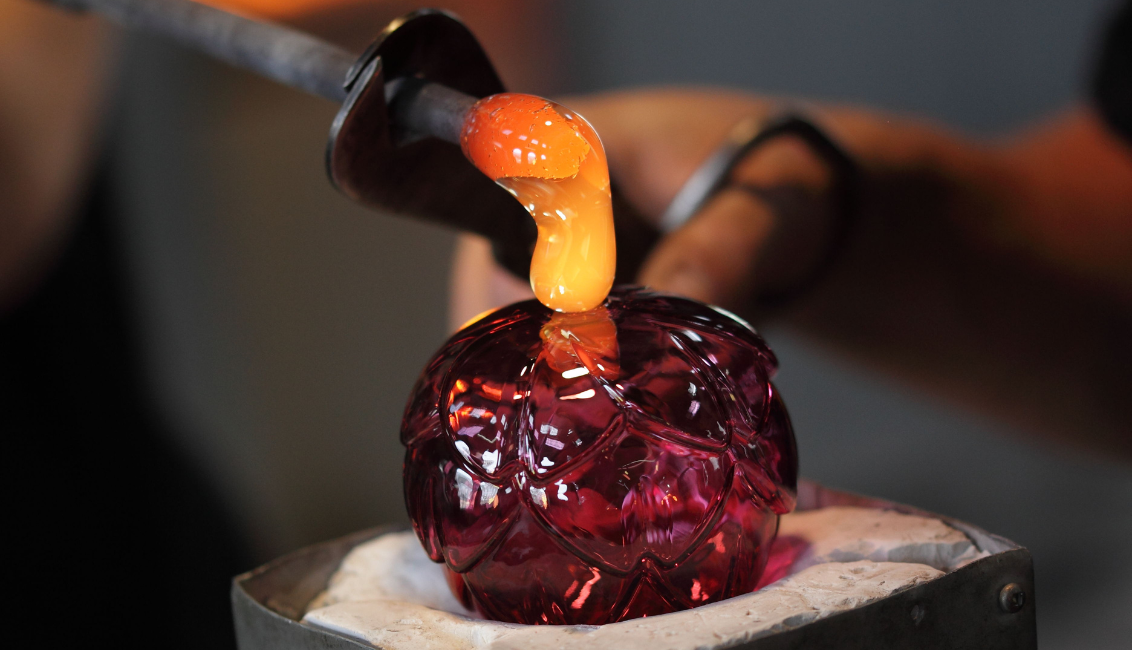
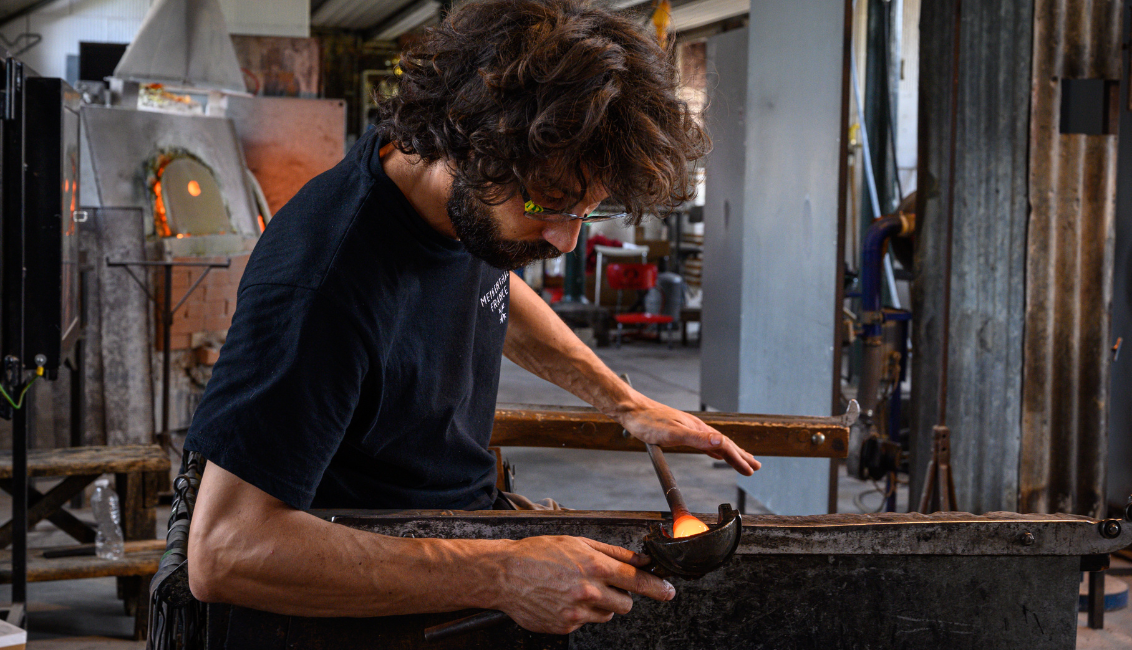
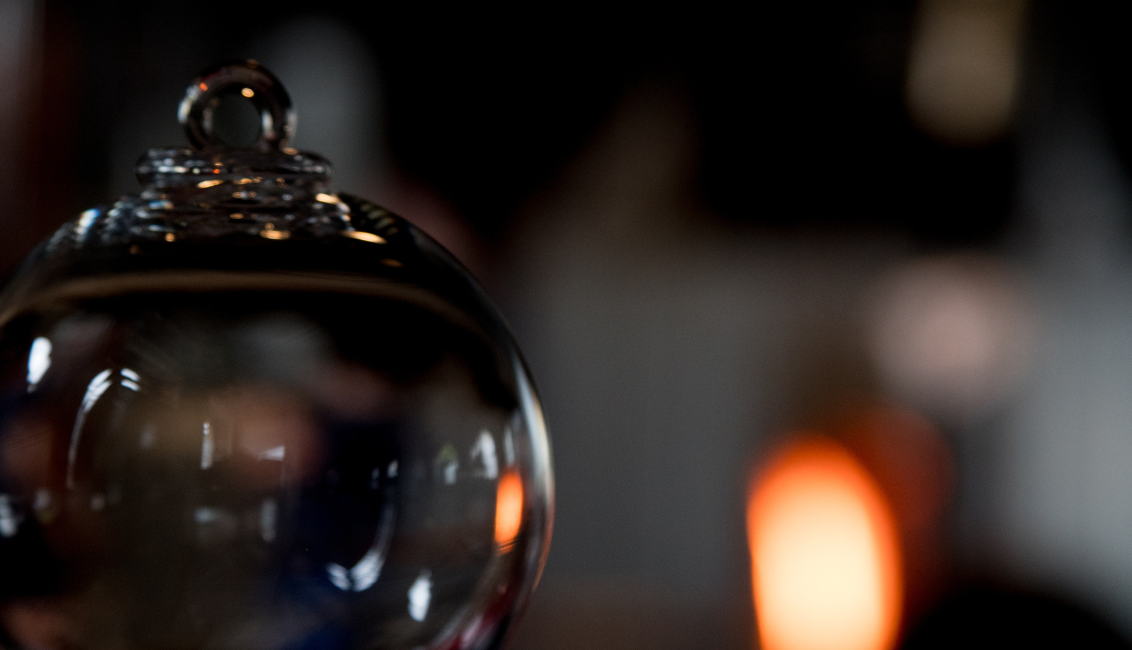
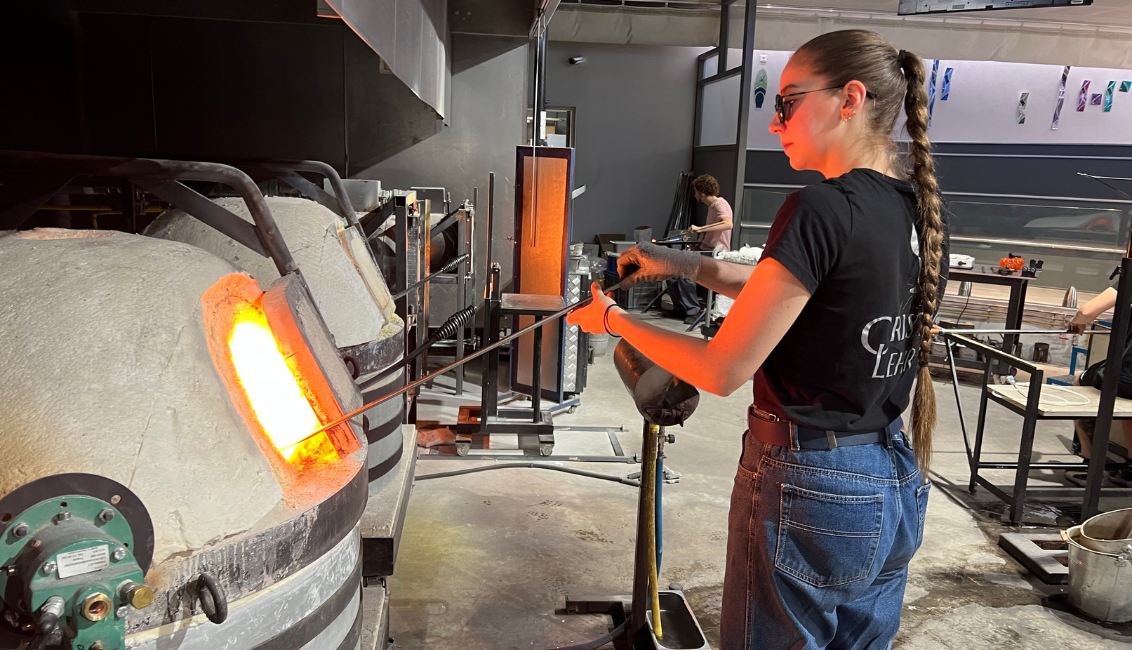
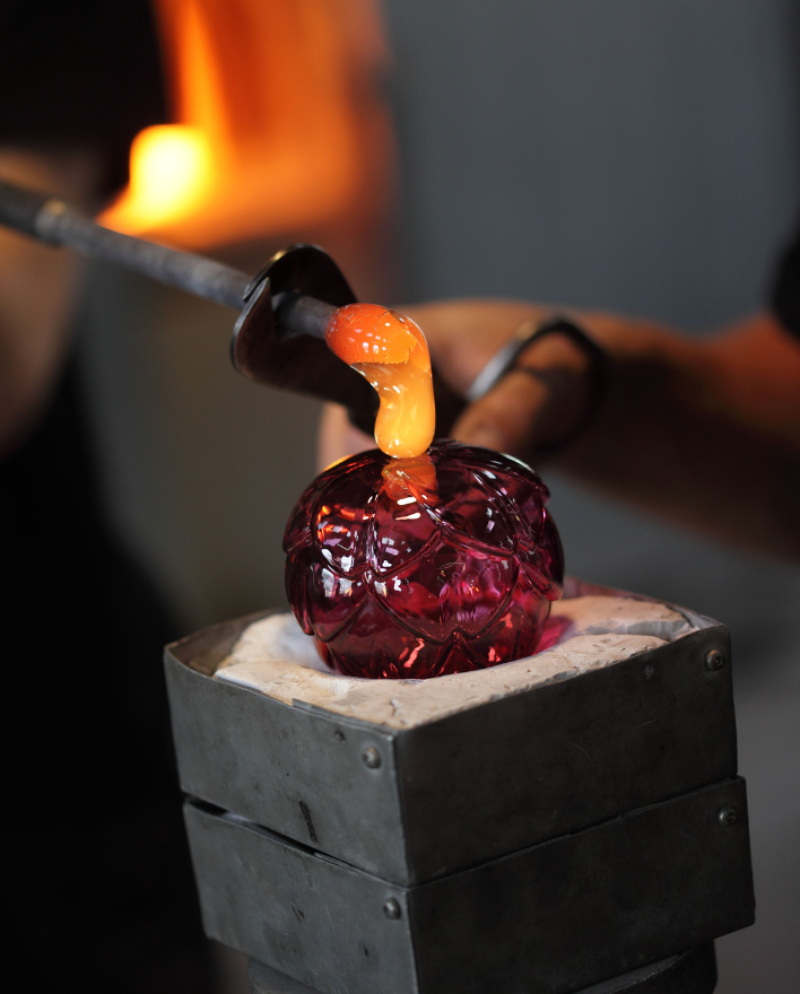
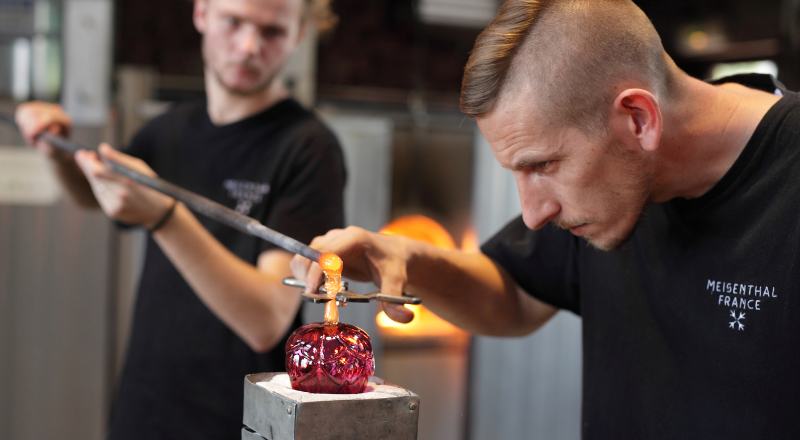
Christmas baubles, a tradition born in Moselle
Do you know why we hang ornaments on the branches of Christmas trees?
The tradition of decorating trees to celebrate Christmas dates back to the 11th century. Back then, red apples were hung on the branches, symbolizing the Tree of Paradise.
The first decorated Christmas trees, resembling our contemporary trees, emerged in the 15th century. In addition to apples, sweets and small cakes were added, a tradition that quickly took hold and lasted until 1858 when the fruit trees in Lorraine failed to produce any fruit due to a severe drought.
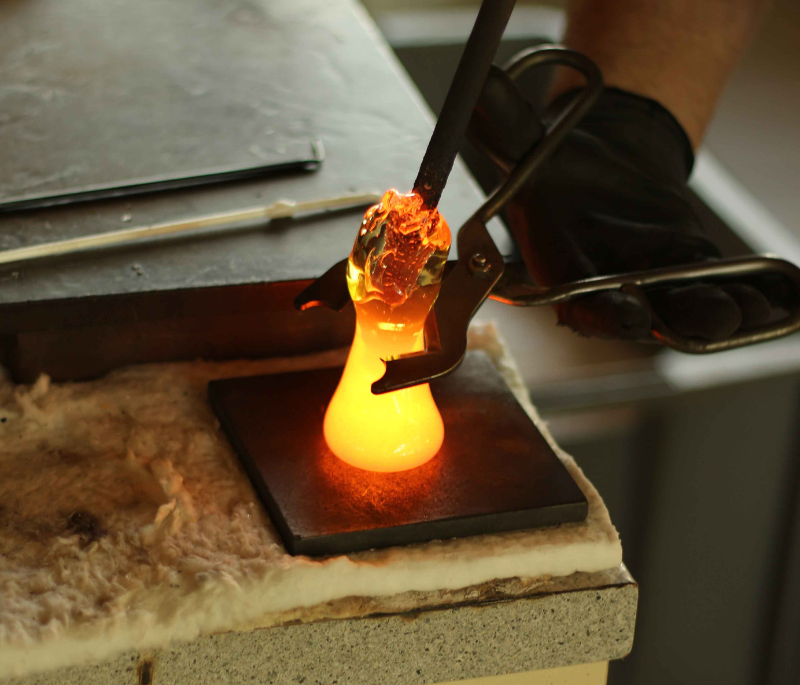
A glassblower from Goetzenbruck then had a brilliant idea: he began to blow red apples out of glass. Thus began the tradition of glass Christmas ornaments, created thanks to local craftsmanship.
This innovation quickly gained popularity, and glass ornaments began to replace apples on the trees, marking a significant turning point in Christmas celebrations.
These Christmas ornaments, rooted in Lorrainian craftsmanship, continued to be produced in Goetzenbruck until 1964 when the glassworks ceased production, leaving this precious tradition forgotten.
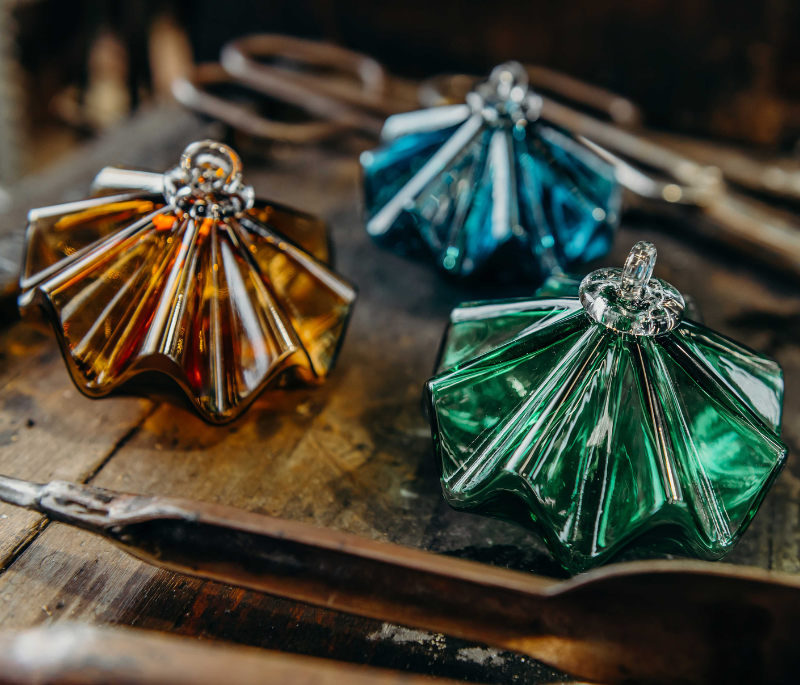
Fortunately, in 1992, the International Center for Glass Art (CIAV) was established in the former glassworks of Meisenthal, reviving this local tradition.
Each year, the CIAV invites an artist to design a new ornament, skillfully blending the rich Lorrainian heritage with contemporary aesthetics that appeal to collectors and lovers of unique items.
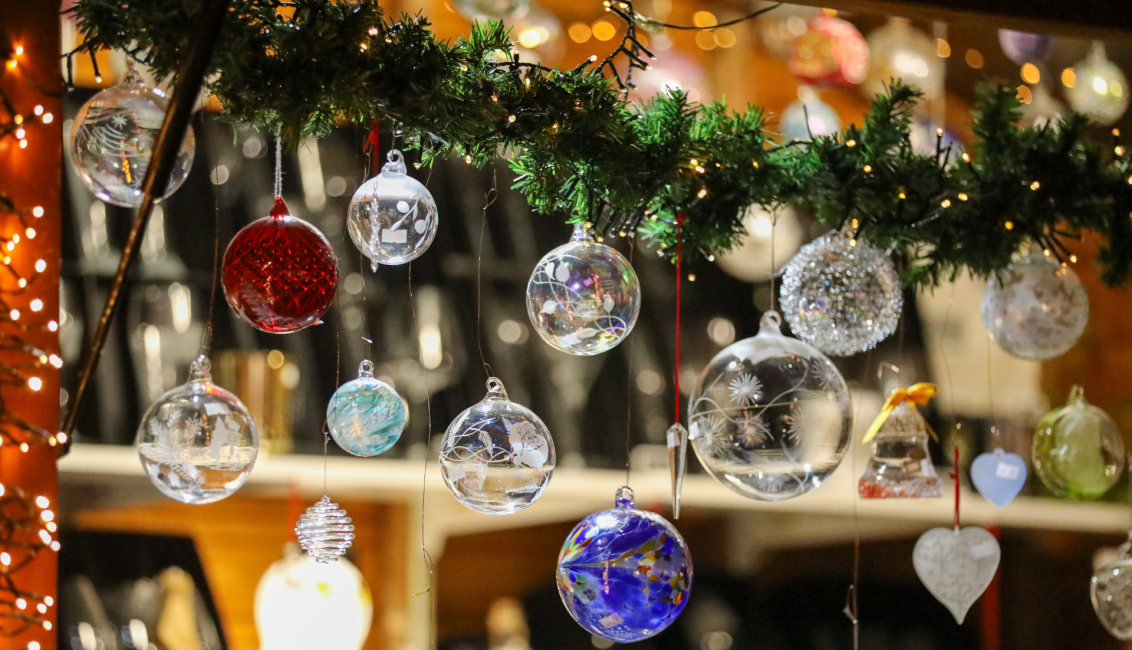
Since 2010, the Lehrer crystal factory has also continued the tradition of crystal craftsmanship, offering a collection of colorful, finely crafted crystal Christmas ornaments. Many shades are available, and each ornament is hand-blown for a truly unique result.
Discover all our Moselle Christmas experiences
All about Christmas in Moselle
A dazzling Christmas for the winter festivities
Medieval lights, music and tradition!
Celebrate the magic of Christmas in between art and traditions
Immerse yourself in a natural Christmas in Moselle!
Culture and delicacies for Christmas in Moselle!



Who invented the Christmas ornament?
The invention of the Christmas ornament is not attributed to a single person but to the glassmakers of the Pays de Bitche area in Moselle, especially those from Goetzenbruck.
The local glass industry, originally specialized in optical glass such as watch glasses, eyewear, and measuring instruments, gradually adapted its expertise to create reflective silver Christmas ornaments.
The neighboring tradition of Lauscha in Thuringia, Germany, is also frequently associated with the European history of blown-glass Christmas decorations.
What is the ancestor of the Christmas ornament?
The direct ancestor of the glass Christmas ornament is the red apple, symbolizing the tree of paradise, traditionally used to decorate Christmas trees as early as the 11th century.
By the 15th century, the first Christmas trees decorated in a modern style appeared with apples, nuts, figs, sweets, and small cakes.
According to Moselle tradition, the fruit shortage during the winter of 1858 inspired a glassblower from Goetzenbruck to create a reusable glass substitute, giving birth to the modern Christmas ornament.
What decorations were originally used before Christmas ornaments?
Before glass ornaments, Christmas trees were decorated with red apples, golden nuts, dried figs, wrapped candies, gingerbread, and later candles.
These natural decorations originated from Germanic and Nordic Christmas tree traditions that spread from the 16th century in Alsace and German-speaking regions.
Garlands made of popcorn and dried fruits were also commonly used in modest households.
Why do we put ornaments on Christmas trees?
Christmas ornaments continue the symbolism of the original tree fruits, especially the red apple associated with the tree of life and the forbidden fruit in Christian tradition.
Their shiny appearance, initially silver-colored, was designed to reflect candlelight and later electric lights, enhancing the magical glow of the Christmas tree.
Over time, shapes, colors, and decorative styles multiplied, making the Christmas ornament the most universal tree decoration.
What are the five main symbols of Christmas?
The five most universal symbols of Christmas are the decorated tree, ornaments, the star on top of the tree, the nativity scene, and Santa Claus.
The tree symbolizes life and continuity, ornaments represent the original fruits, the star recalls the Star of Bethlehem guiding the Three Wise Men, the nativity scene represents the birth of Christ, and Santa Claus embodies a modern figure inspired by Saint Nicholas and Nordic traditions.
In Moselle, these symbols take on a special dimension through the Meisenthal ornaments and the living nativity scenes organized in certain villages.
A living tradition in Moselle
Moselle continues this tradition through the International Glass Art Center (CIAV) in Meisenthal and several local glassmakers and crystal artisans.
The annual collectible ornaments, public glassblowing workshops, and the Halle Verrière offer a complete immersion into Moselle’s glassmaking heritage.
The Qualité MOSL Christmas counters and the Chalet Qualité MOSL in Metz also sell the yearly creations of local glass artisans.